
Software Trademark Protection: Strategies and Global Layout from a Worldwide Perspective
Time:2025-05-29
Publication Date:2025-05-29
In the digital age, software has become the core of technological innovation, making intellectual property protection in this industry all the more critical. As an essential vehicle for brand recognition, trademarks play a similarly indispensable role in the software sector. Drawing on Class 9 (electronic devices and software) and Class 42 (technological and network services) trademark data from databases in China, the United States, the European Union, Japan, South Korea, and the World Intellectual Property Organization (WIPO), this article aims to shed light on global strategies and layouts for trademark protection in the software field. (Data screenshots in this article are from the Kangxin IP Platform.)
I. Overview of Global Trademark Applications
Application Volume Trends (Using mainland China, the United States, South Korea, Japan, the EU, and WIPO as examples)
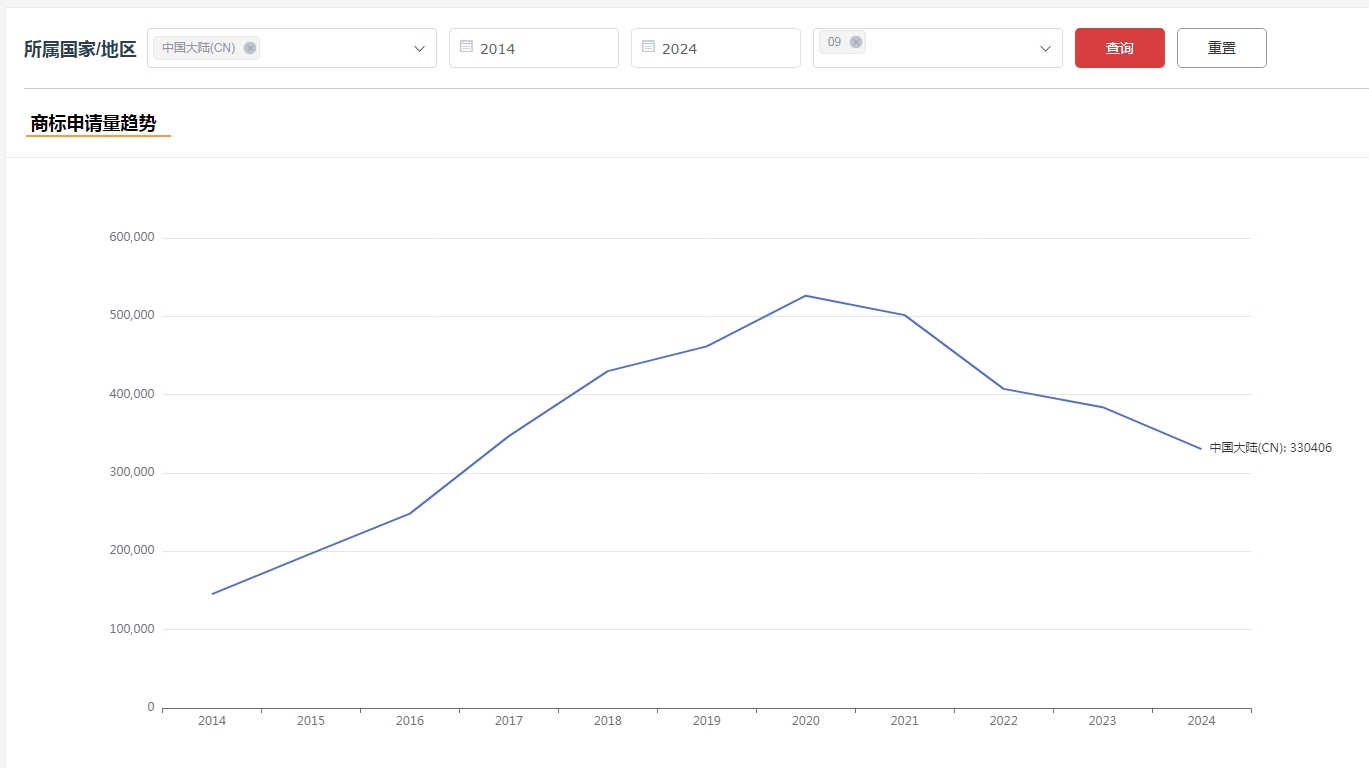
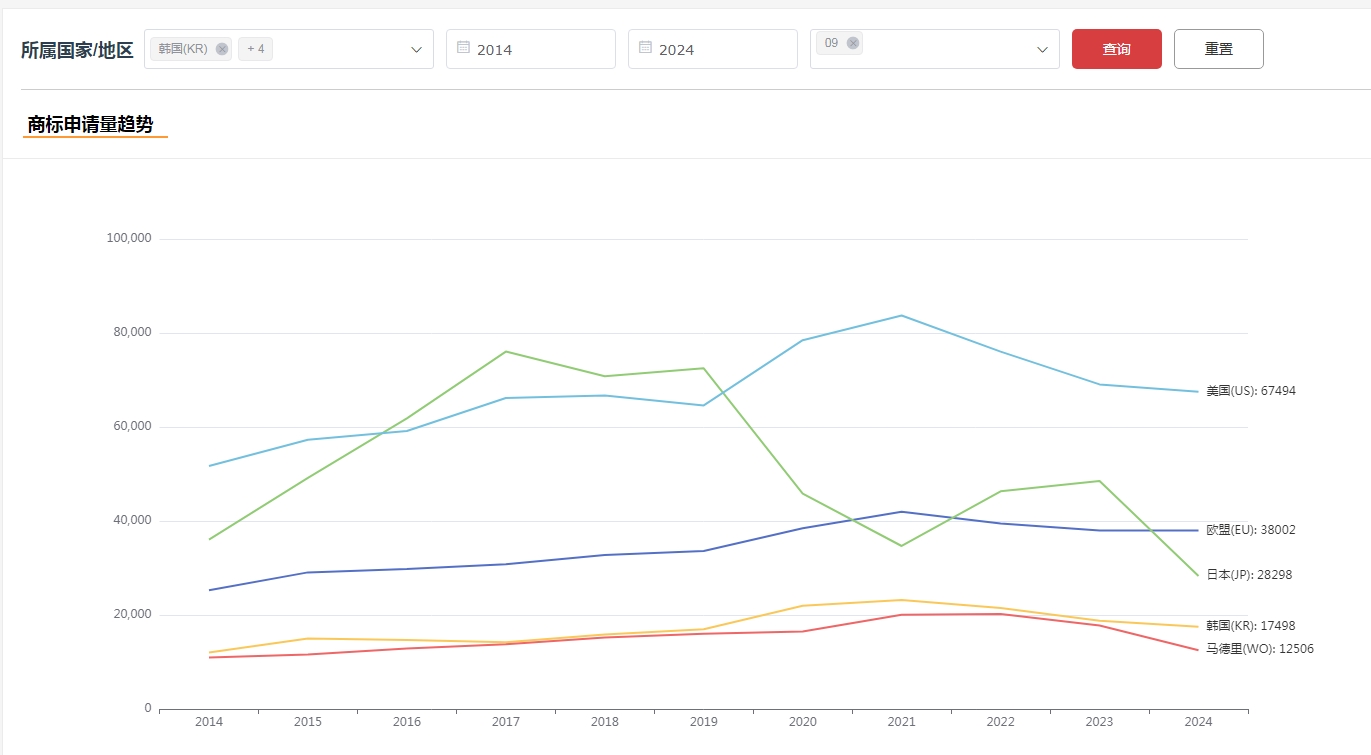
According to data from the Kangxin IP Platform, in recent years, the number of trademark applications in the global software sector has continued to rise. In Class 9, China leads by a considerable margin, followed by the United States, the EU, Japan, and South Korea.
1. Class 9 Trademarks
- Trend in mainland China over the past decade
- Trend in the U.S., Japan, South Korea, the EU, and WIPO over the past decade
2. Class 42 Trademarks
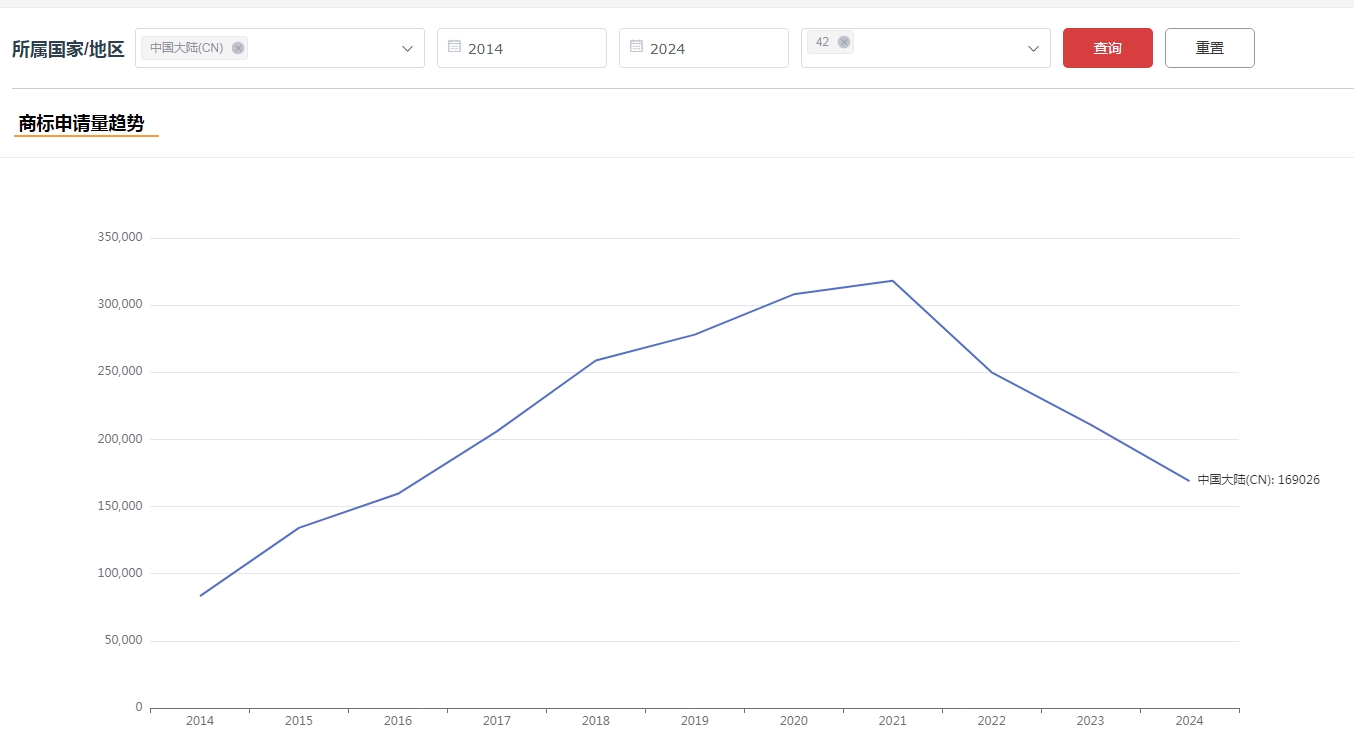
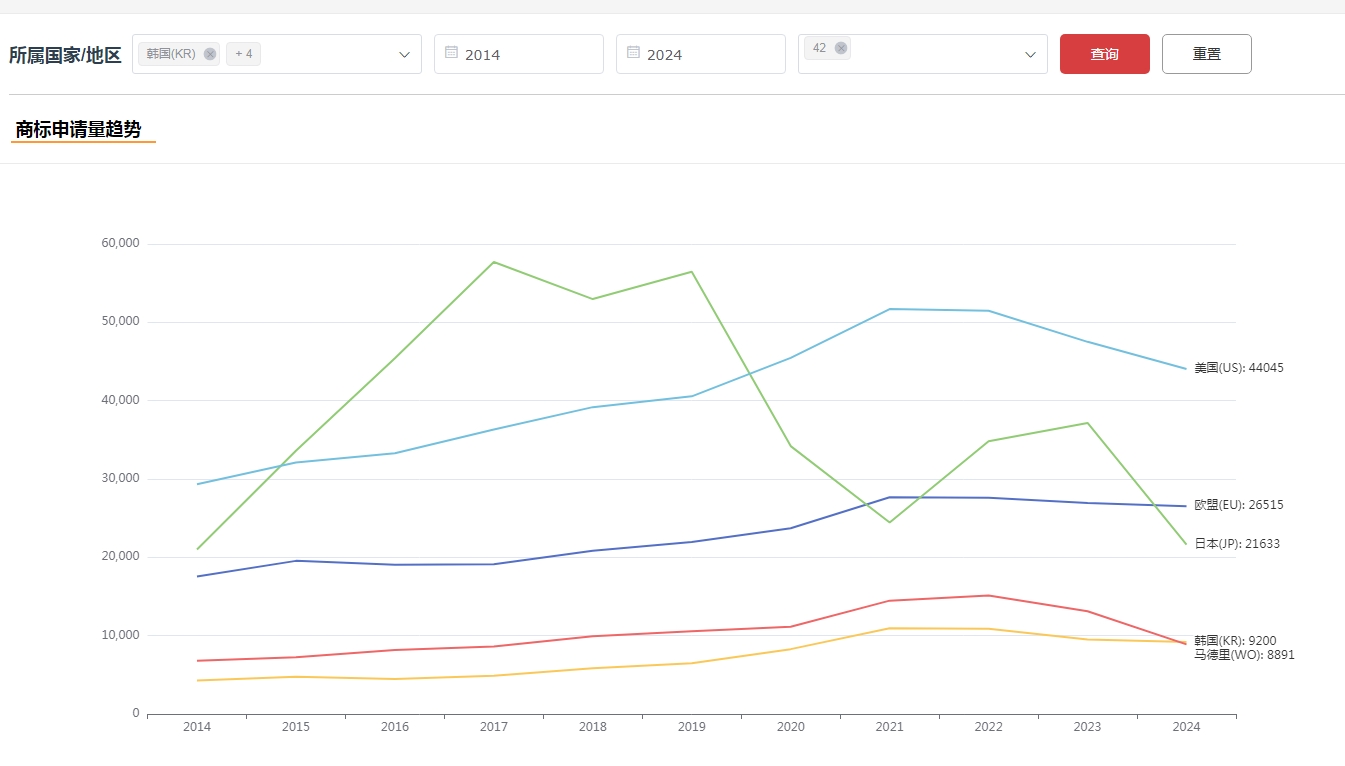
China likewise occupies a leading position in Class 42 applications. Apart from China, the upward trend in U.S. filings reflects the strong growth momentum of technological network services in these regions.
- Trend in mainland China over the past decade
- Trend in the U.S., Japan, South Korea, the EU, and WIPO over the past decade
Applicant Rankings (Using the United States, the EU, and WIPO as examples)
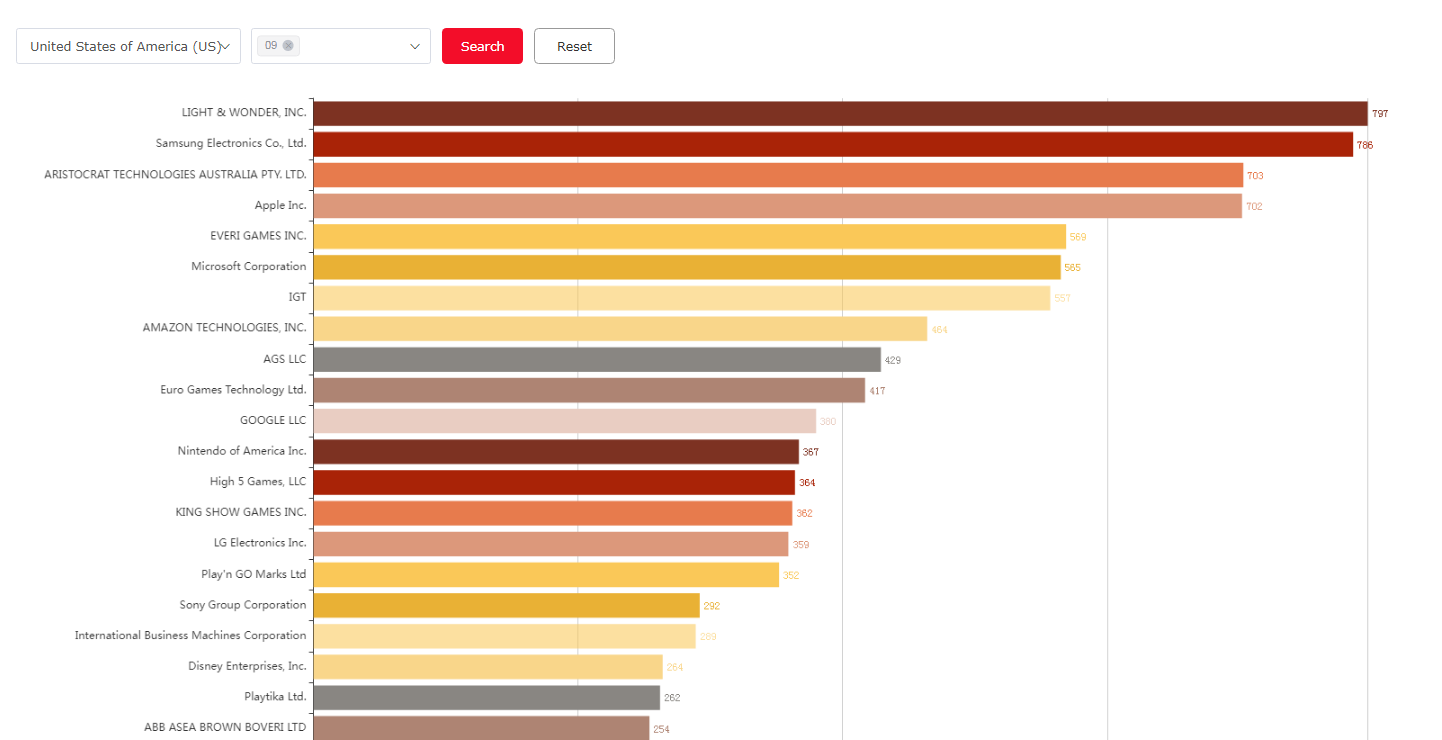
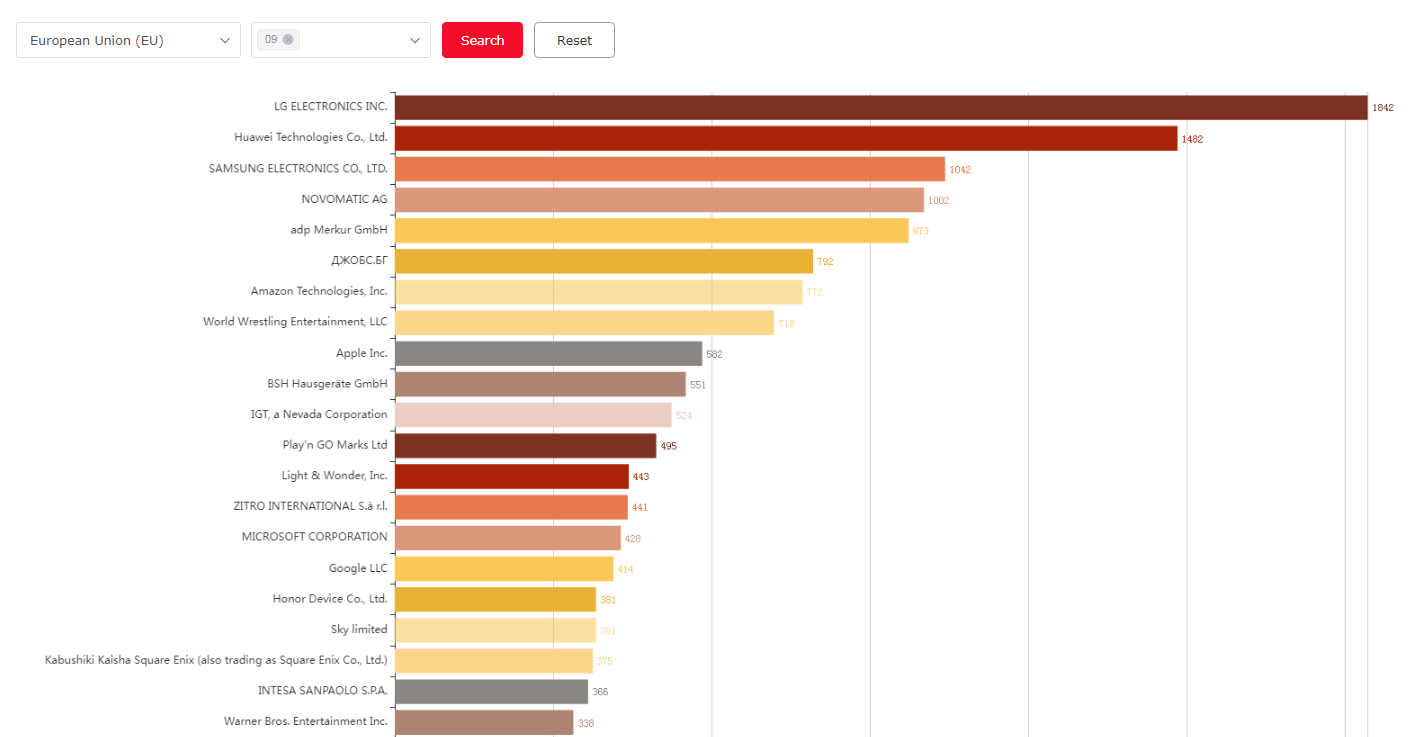
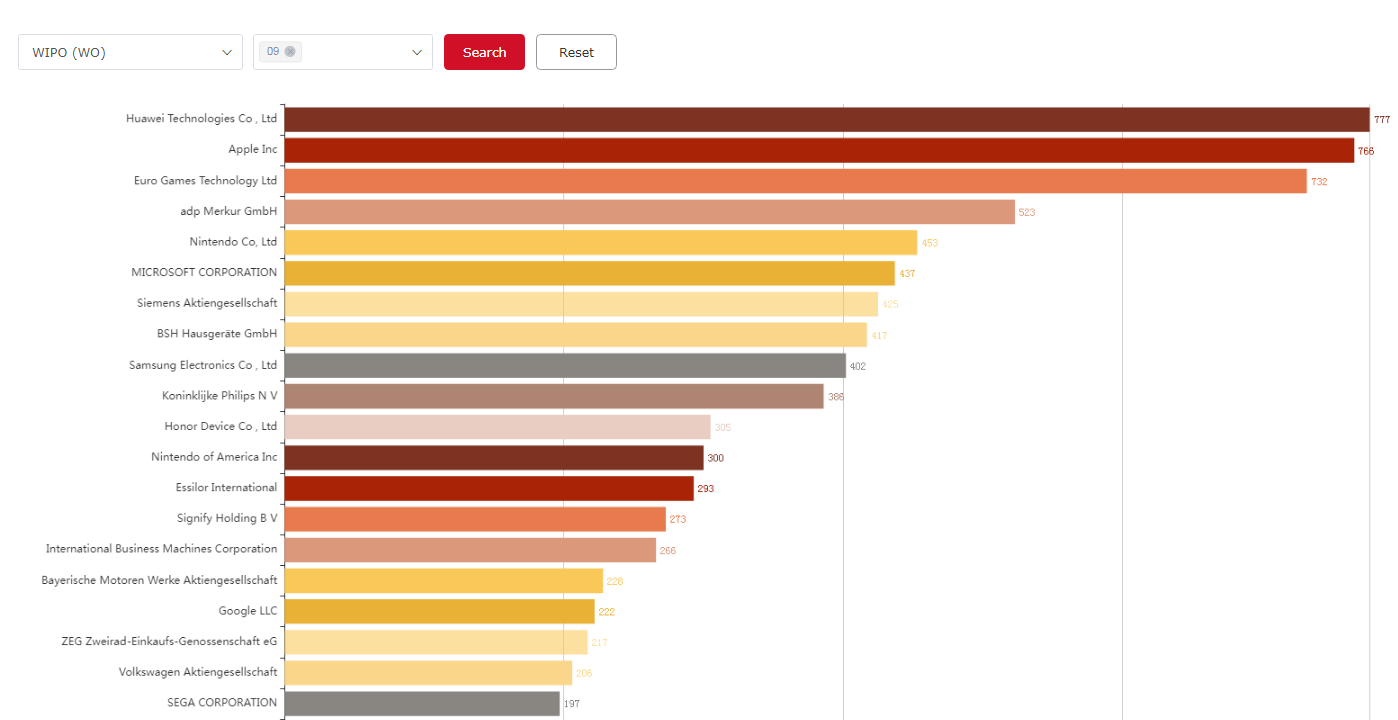
In the ranking of Class 9 trademark applicants, global tech giants such as Microsoft, Apple, and Google consistently hold top positions.
- Class 9: U.S. Trademark Ownership Ranking
- Class 9: EU Trademark Ownership Ranking
- Class 9: WIPO Trademark Ownership Ranking
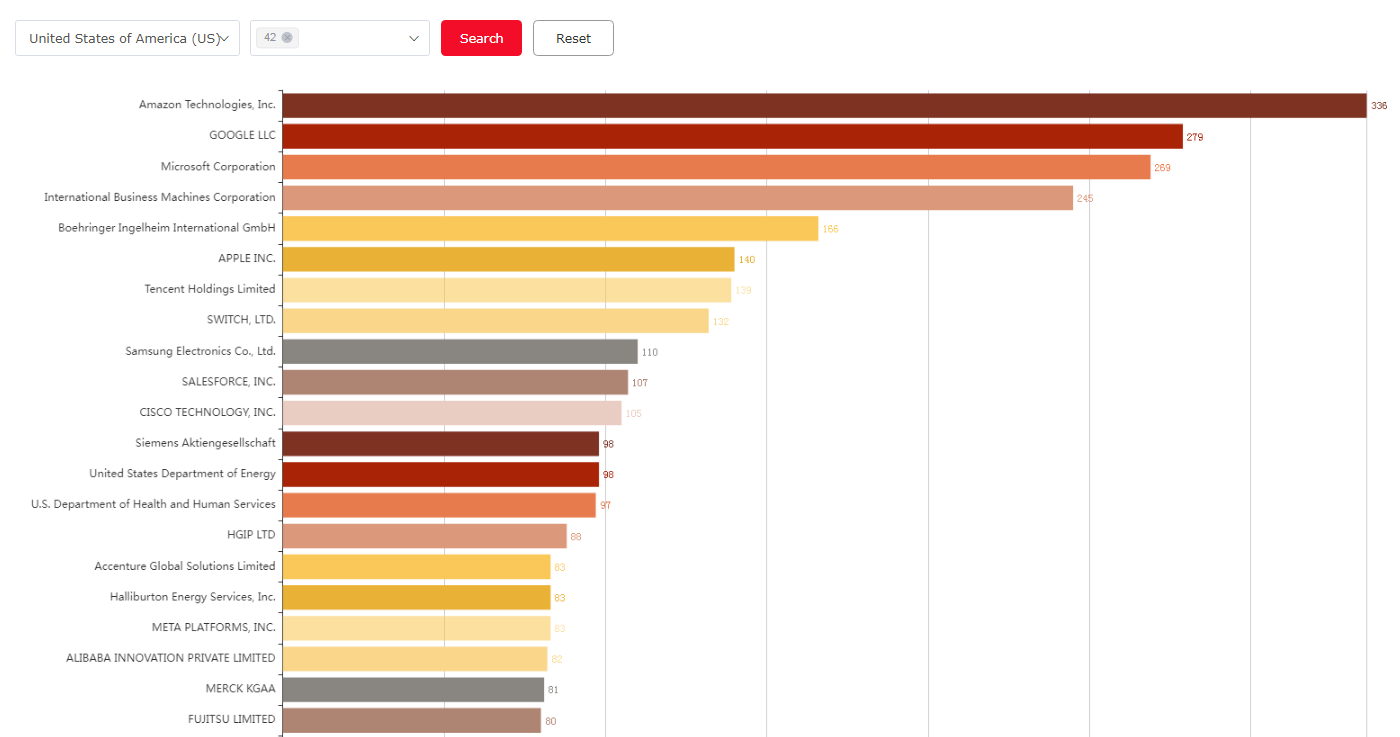
Meanwhile, in Class 42, in addition to the above-mentioned companies, a group of innovative enterprises specializing in emerging fields such as cloud computing, big data, and artificial intelligence has also risen to prominence.
- Class 42: U.S. Trademark Ownership Ranking
- Class 42: EU Trademark Ownership Ranking
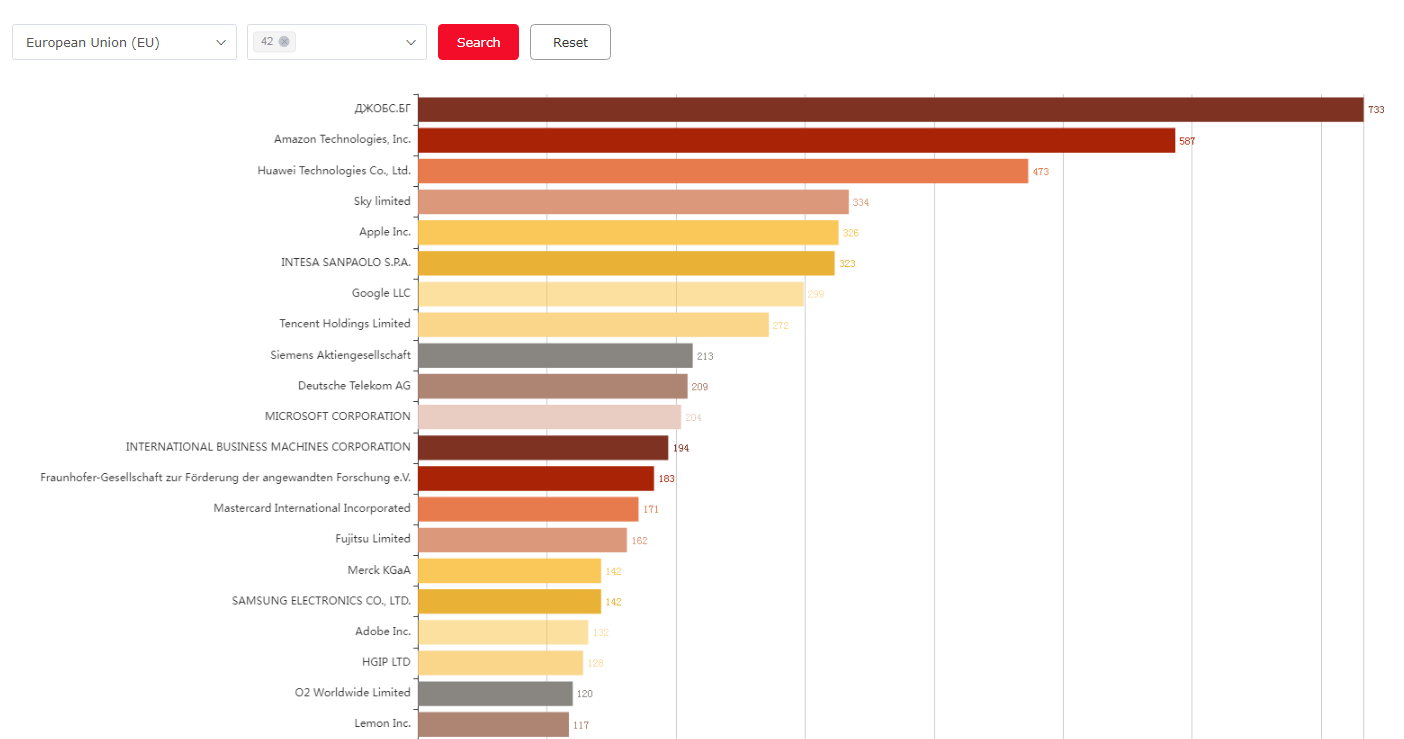
- Class 42: WIPO Trademark Ownership Ranking
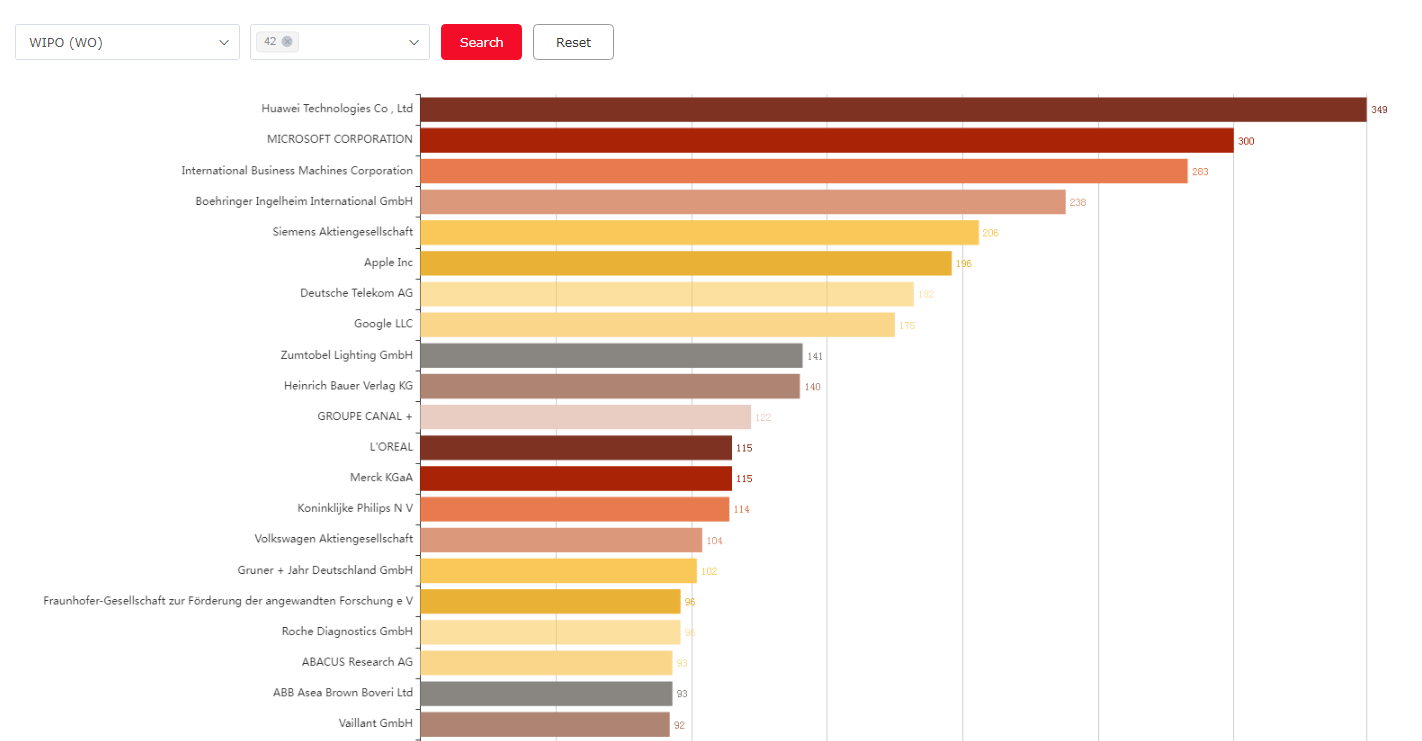
II. Trademark Layout Analysis of Well-Known Brands
1. Microsoft
As a global leader in the software industry, Microsoft excels in both Class 9 and Class 42 trademark applications. Data from the Kangxin IP Platform shows that Microsoft has an extensive global trademark layout, particularly in the United States, Europe, and Asia. Its protection strategy is highly comprehensive.
- Microsoft’s Goods and Services Statistics over the Past Decade
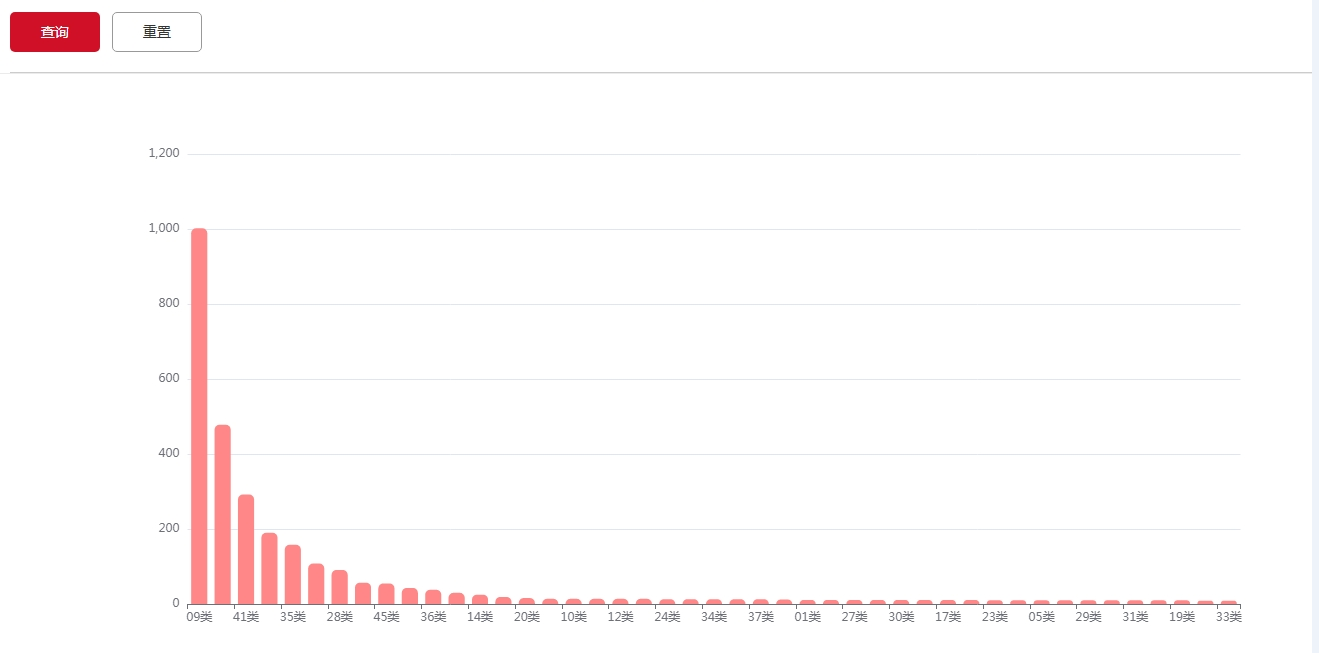
- Microsoft’s Global Trademark Layout over the Past Decade
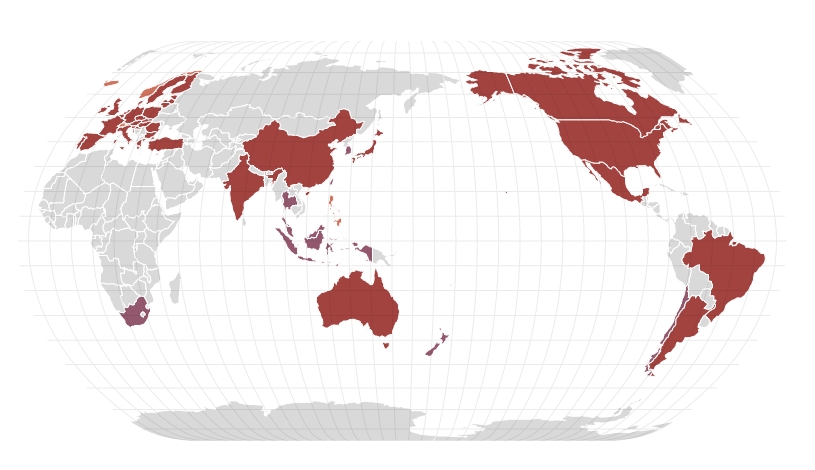
2. Google
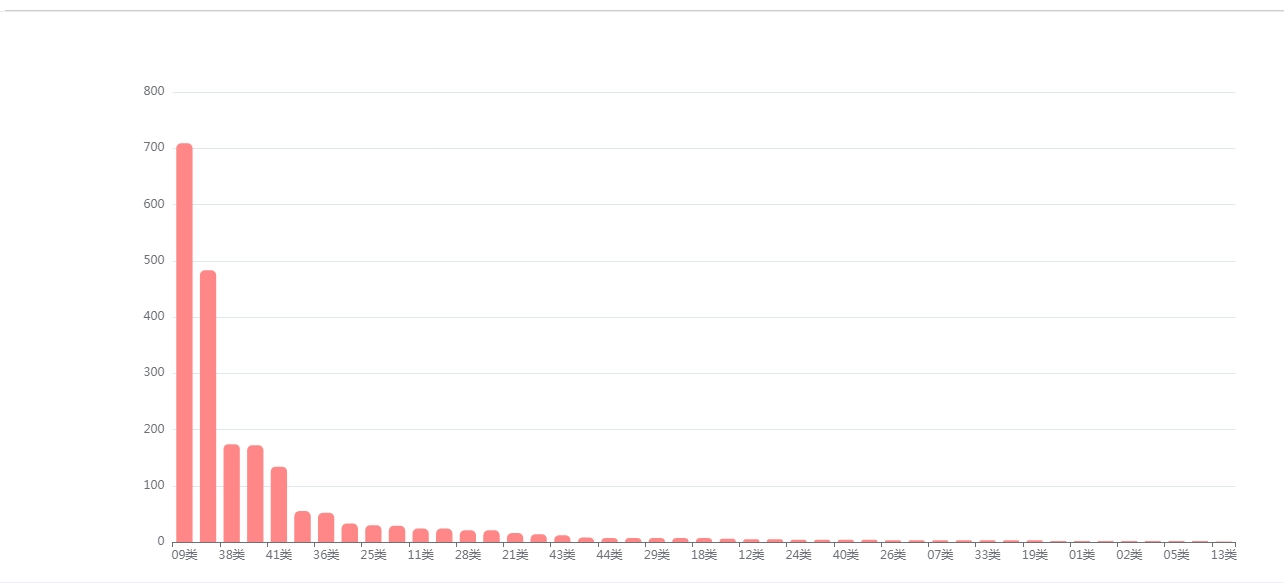
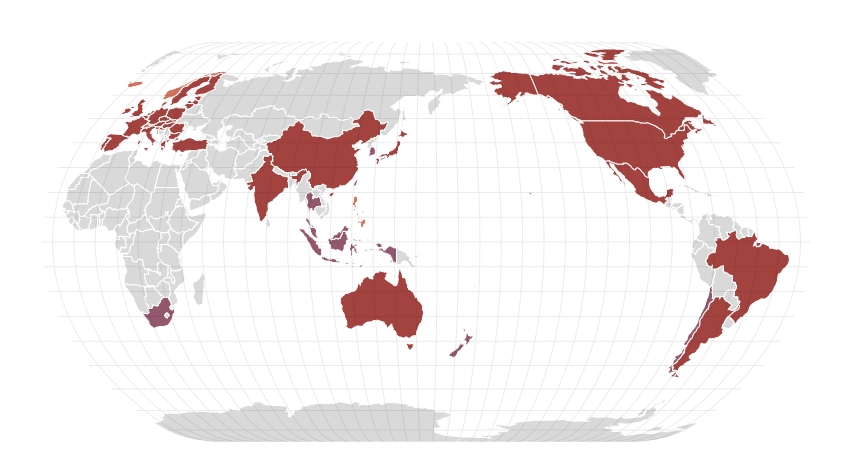
As a leader in search engines and internet services, Google holds a significant advantage in Class 9 filings. Statistics show that Google’s trademark layout in technological network services is particularly broad, covering not only core businesses such as search engines and cloud computing but also extending into emerging fields like artificial intelligence and the Internet of Things.
- Google’s Goods and Services Statistics over the Past Decade
- Google’s Global Trademark Layout over the Past Decade
3. Alibaba
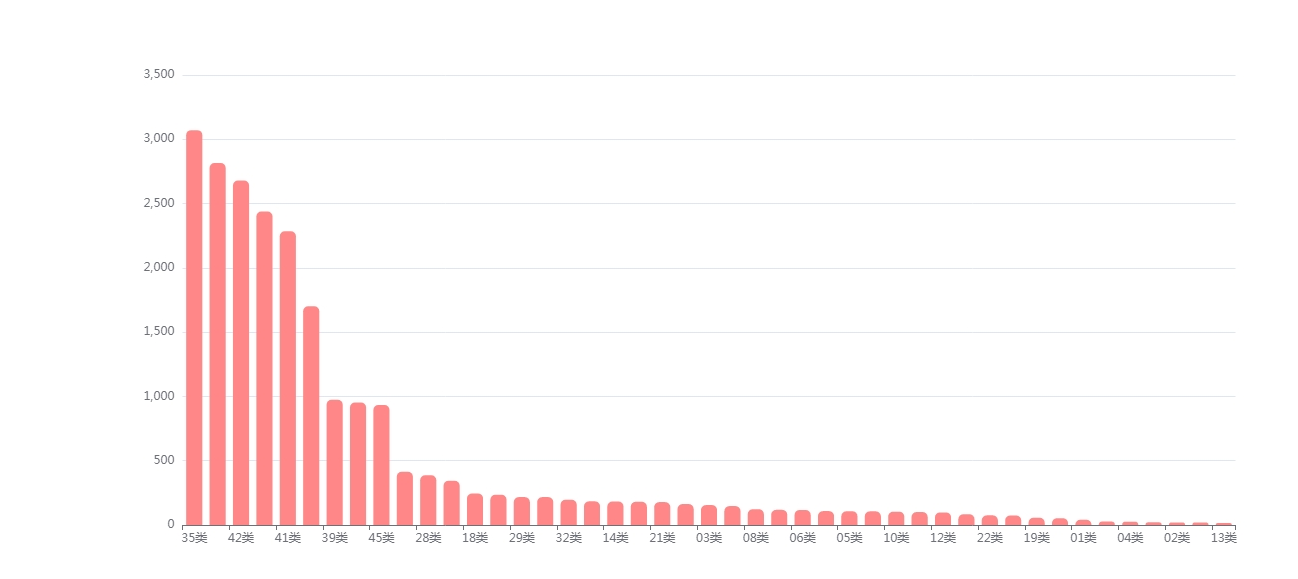
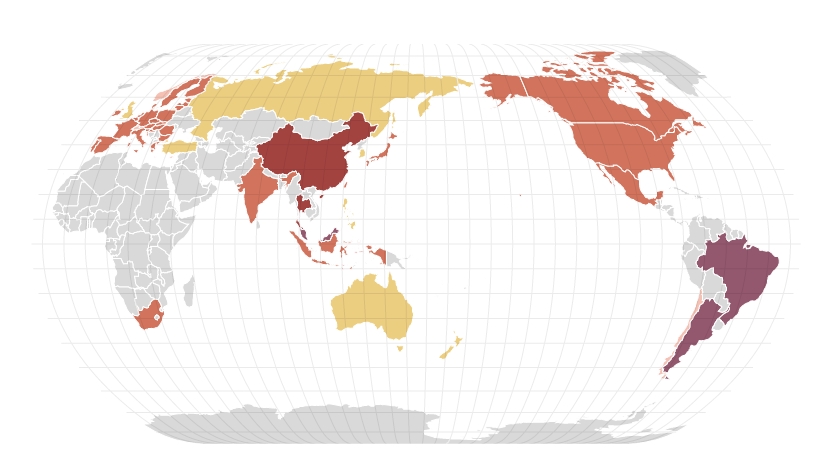
As a leading Chinese e-commerce platform, Alibaba stands out in Class 42 applications. According to Kangxin IP Platform data, Alibaba’s trademark layout in electronic devices and software is centered primarily in China, but in recent years it has been actively expanding into overseas markets, especially in Southeast Asia and North America.
- Alibaba’s Goods and Services Statistics over the Past Decade
- Alibaba’s Global Trademark Layout over the Past Decade
III. Key Insights and Analysis
1. Global Layout
From the trademark layouts of these well-known brands, it is clear that a global presence is crucial for software-sector trademark protection. By applying for and registering trademarks in major markets worldwide, companies can effectively safeguard their brand’s legitimate rights on a global scale.
2. Diversified Development
As technology advances, the software industry continues to diversify. Accordingly, in addition to securing trademark rights in core business areas, enterprises should also focus on new and emerging fields and potential markets.
3. The importance of trademarks in the software field to all brands in the field
Because all types of software or mobile apps are favorable promotional channels for product sales or service provision. Mobile apps can provide services to the public more conveniently and open up sales channels for brands. However, when a brand fails to make advance arrangements for related products in Class 9, its mobile app may be suspected of infringement. Previously, SoYoung's App was removed from the Apple store because it did not make advance arrangements for trademarks in Class 9. At the same time, because of Apple store regulations, the download and update of SoYoung's App is restricted before the ownership of the trademark is clarified. This undoubtedly caused huge losses to SoYoung, and its customer loss and online sales will be affected.
4. Early Preparation
Given the rapid pace of technological innovation and market shifts in the software industry, enterprises should adopt forward-looking measures and file trademark applications early. By securing trademark rights ahead of time, companies can effectively avoid future trademark disputes and infringement risks.
In conclusion, trademark protection in the software sector is an imperative that global enterprises must not overlook. By leveraging intellectual property service tools such as the Kangxin IP Platform, companies can more accurately track and analyze worldwide trademark filings and registrations and devise sound trademark protection strategies. At the same time, attention should be paid to global layouts, diversified development, and early preparation in order to enhance overall brand competitiveness and market influence in the software field.
 {{item.truncatedText}}
{{item.basicDescription&&item.basicDescription.slice(0,150)}}{{item.basicDescription&&item.basicDescription.length>150?"...":""}}
{{item.truncatedText}}
{{item.basicDescription&&item.basicDescription.slice(0,150)}}{{item.basicDescription&&item.basicDescription.length>150?"...":""}}