
The Aroma of Coffee Behind the Trademarks
Time:2025-12-22
Publication Date:2025-12-22
The Aroma of Coffee Behind the Trademarks
On every corner around the world, the aroma of coffee evokes a longing for a beautiful life. Behind this is the silent effort and brilliant achievements of the world’s top ten coffee chain brands. These brands have not only won consumers' hearts with their unique coffee culture and exceptional product quality, but they have also demonstrated strategic foresight in their trademark layout. This article delves into the history, development, and brand symbolism of these companies, unveiling the aroma of coffee behind the trademarks.
Starbucks
History and Development: Established in 1971, Starbucks was originally a coffee bean retailer in Seattle, USA. After decades of growth, Starbucks has become the leader in global coffee chains, with over 37,000 outlets. Its success lies in its unique coffee culture, excellent customer experience, and continuous innovation in marketing strategies.
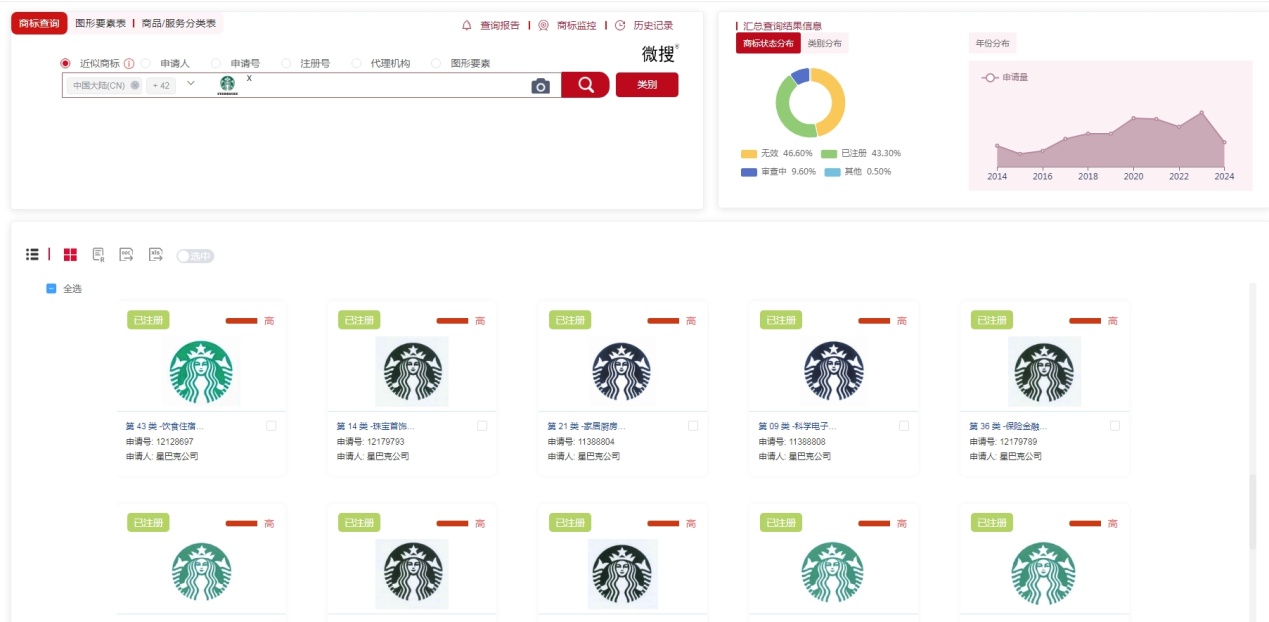
Image Source: Kangxin IP Platform
Brand Symbolism: The Starbucks logo features a two-tailed mermaid, symbolizing mystery and romance. This design, originating from a 16th-century woodcut by Danish artist Holger Damsgaard Fos, aligns with the founders' passion for coffee culture and the pursuit of perfection in quality.
Trademark Layout: Starbucks places great emphasis on trademark strategy, registering its core trademarks in multiple countries and regions worldwide. It also introduces localized trademark designs for different markets, ensuring its brand's uniqueness and recognition globally.
Luckin Coffee
History and Development: Founded in 2017, Luckin Coffee is an emerging coffee chain brand from China. By integrating online and offline operations, Luckin has rapidly expanded to become one of China's largest coffee chains, with over 10,000 stores. Luckin's success is due to its convenient services and innovative marketing strategies.
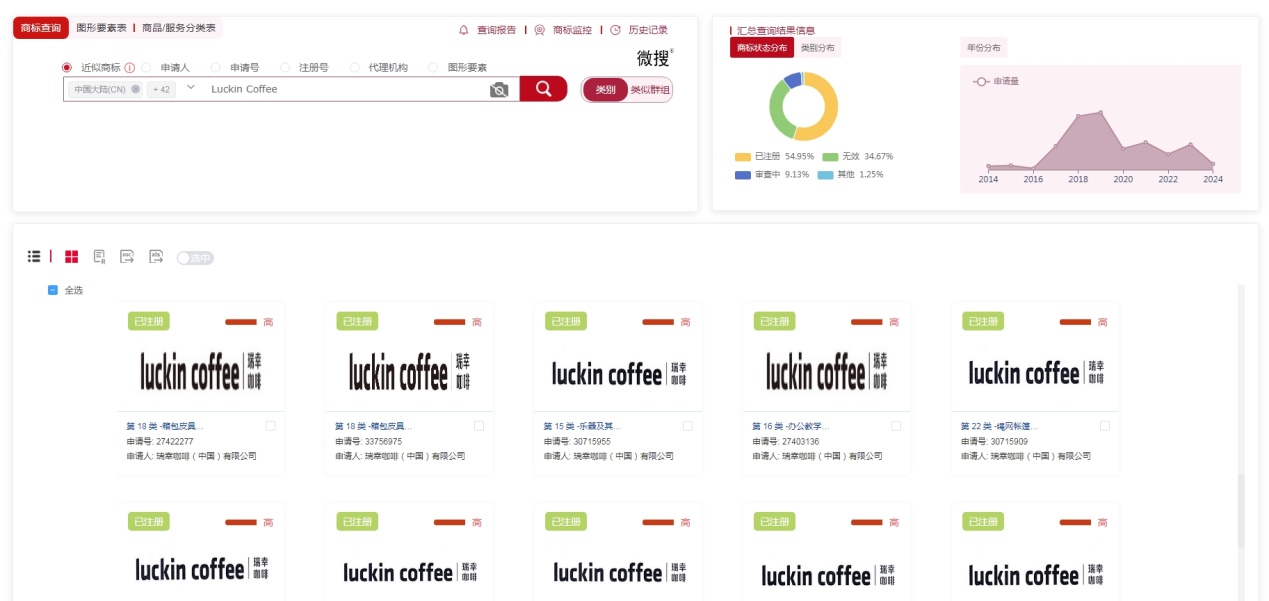
Image Source: Kangxin IP Platform
Brand Symbolism: The Luckin Coffee logo is a simple and modern deer head, symbolizing speed, agility, and vitality. This design reflects the brand’s commitment to efficient and convenient services, portraying a youthful and fashionable brand image.
Trademark Layout: Despite its relatively recent establishment, Luckin Coffee has shown great foresight and strategic insight in its trademark strategy. In addition to registering numerous trademarks in China, the brand is actively expanding into overseas markets to ensure global protection and growth.
Dunkin'
History and Development: Dunkin' originated in Quincy, Massachusetts, USA, as a small donut shop. Over the decades, it has evolved into a globally recognized coffee and pastry chain with around 13,000 stores. Its success lies in its diverse product offerings and high-quality service.
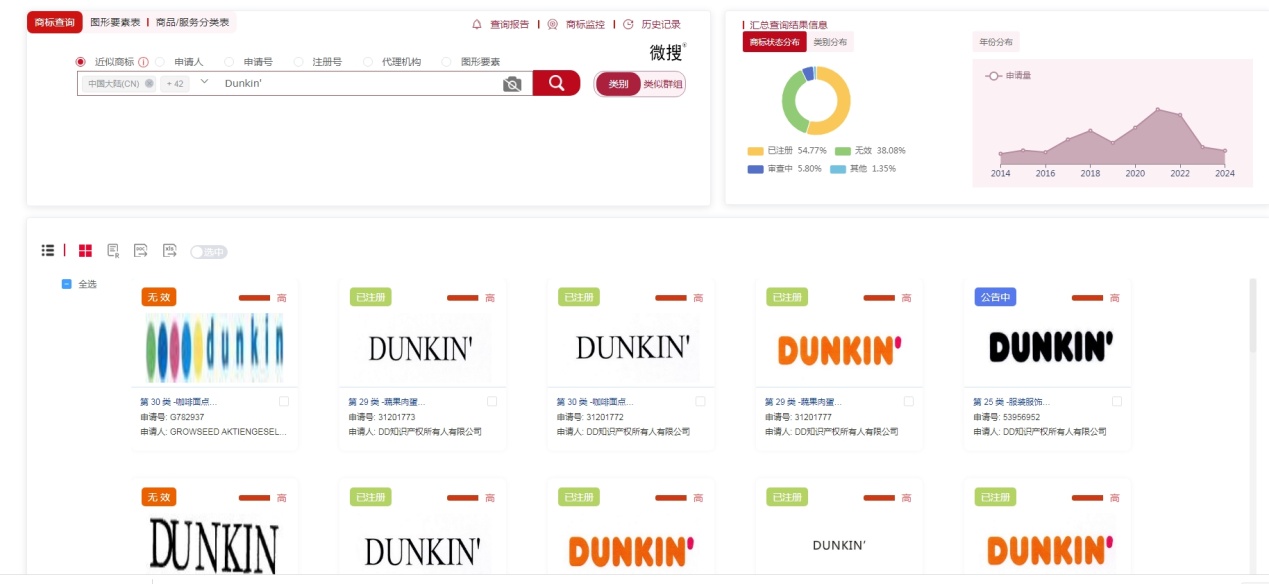
Image Source: Kangxin IP Platform
Brand Symbolism: Dunkin’s logo features a simple and recognizable orange circle, symbolizing warmth, energy, and friendliness. This design complements the brand's goal of providing a cozy and welcoming consumer experience.
Trademark Layout: Dunkin’ places significant emphasis on trademark strategy, registering its core trademarks in numerous countries and regions worldwide. This has allowed the brand to build a robust network of trademark protection globally.
Costa Coffee
History and Development: Established in 1971 as a small coffee roasting shop in London, Costa Coffee has grown into a globally recognized chain with approximately 3,900 stores across 45 countries. Its success is attributed to its premium coffee beans and unique brewing techniques.
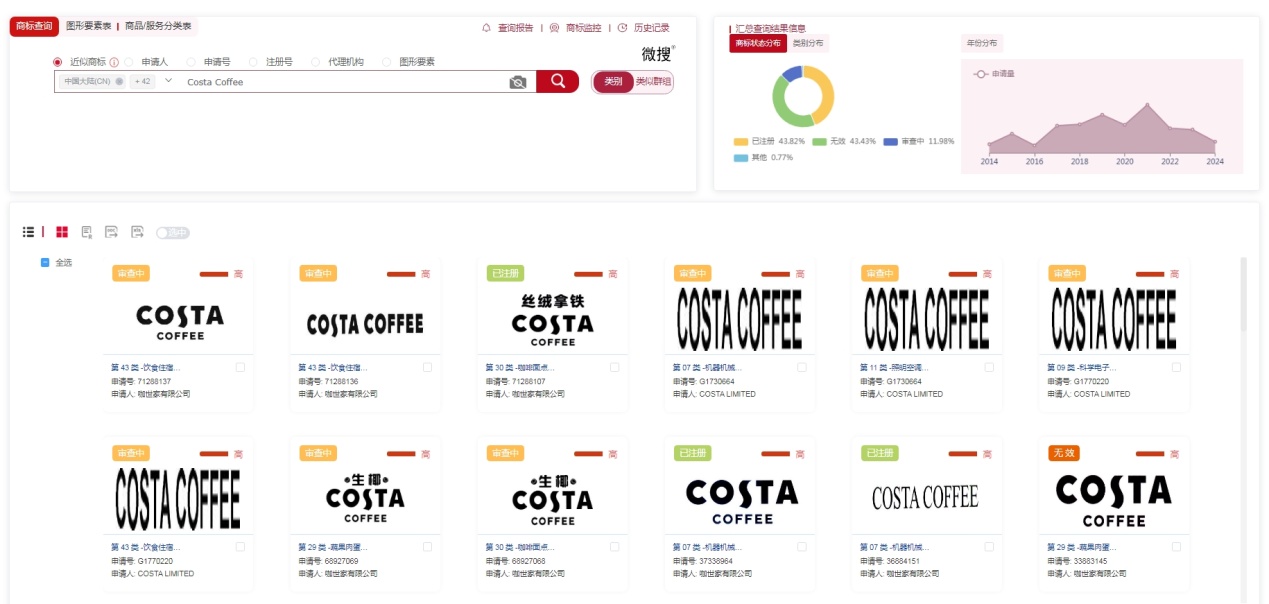
Image Source: Kangxin IP Platform
Brand Symbolism: Costa’s logo features a simple yet artistic coffee cup, symbolizing professionalism, quality, and enjoyment. This design resonates with the brand’s commitment to delivering a high-quality coffee experience, portraying a sophisticated and stylish image.
Trademark Layout: Costa Coffee also spares no effort in its trademark strategy, registering its core trademarks across multiple countries and regions worldwide to build a strong global brand protection system.
Tim Hortons
History and Development: Originating from a small coffee shop in Hamilton, Ontario, Canada, Tim Hortons has become a well-known coffee and pastry chain in both Canada and the USA, with around 5,400 outlets. Its success stems from affordable prices and high-quality products.
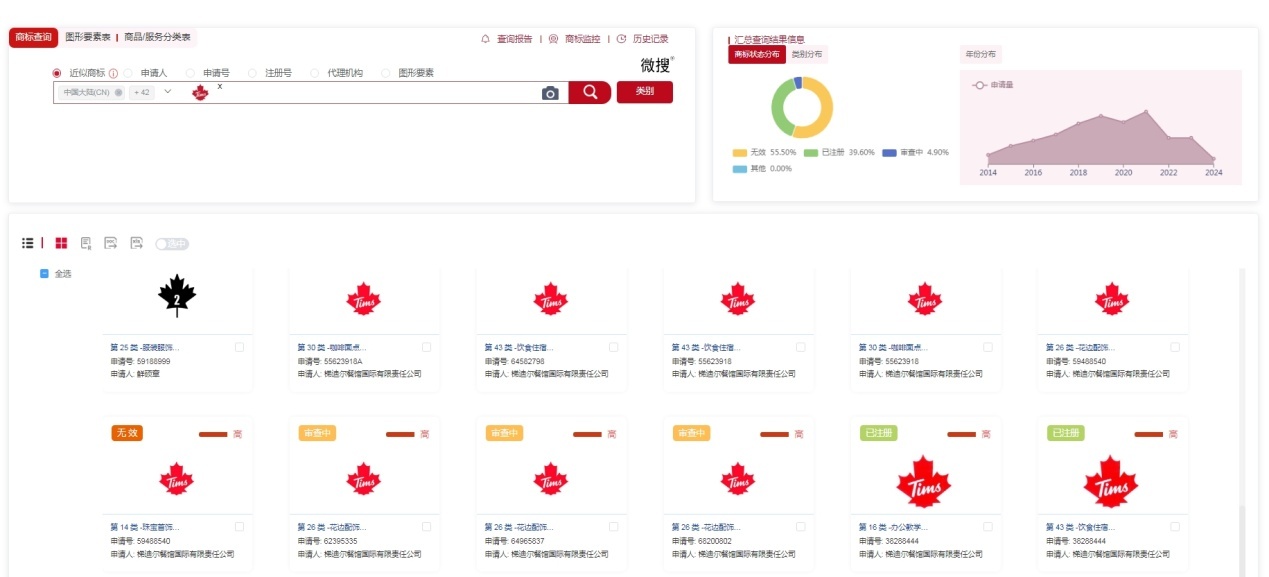
Image Source: Kangxin IP Platform
Brand Symbolism: The Tim Hortons logo combines a simple, approachable maple leaf with the brand name, reflecting Canadian culture and the brand's local roots. This design complements the brand’s goal of providing a warm and friendly consumer experience.
Trademark Layout: Tim Hortons places significant importance on trademark strategy, registering its core trademarks in numerous countries and regions globally, establishing a robust brand protection network.
Brief Overview of Other Brands
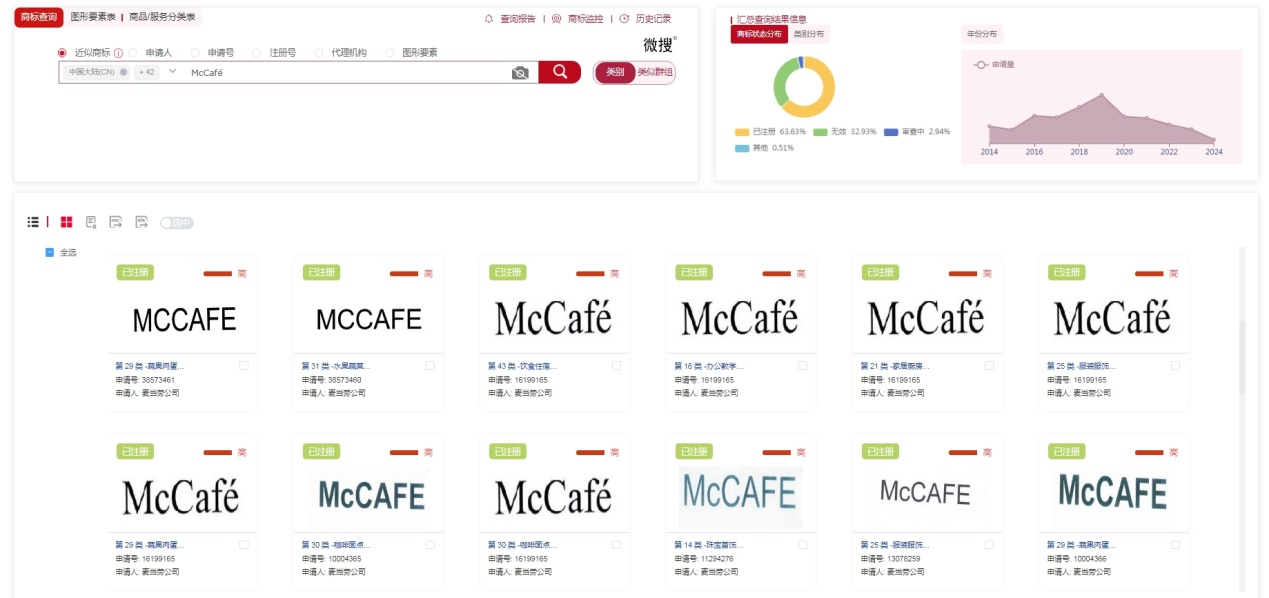
McCafé: As the coffee brand within McDonald’s restaurants, McCafé has rapidly expanded thanks to McDonald’s global network and brand influence, with approximately 10,000 outlets. Its trademark strategy is closely tied to McDonald’s, building a strong brand protection system together.
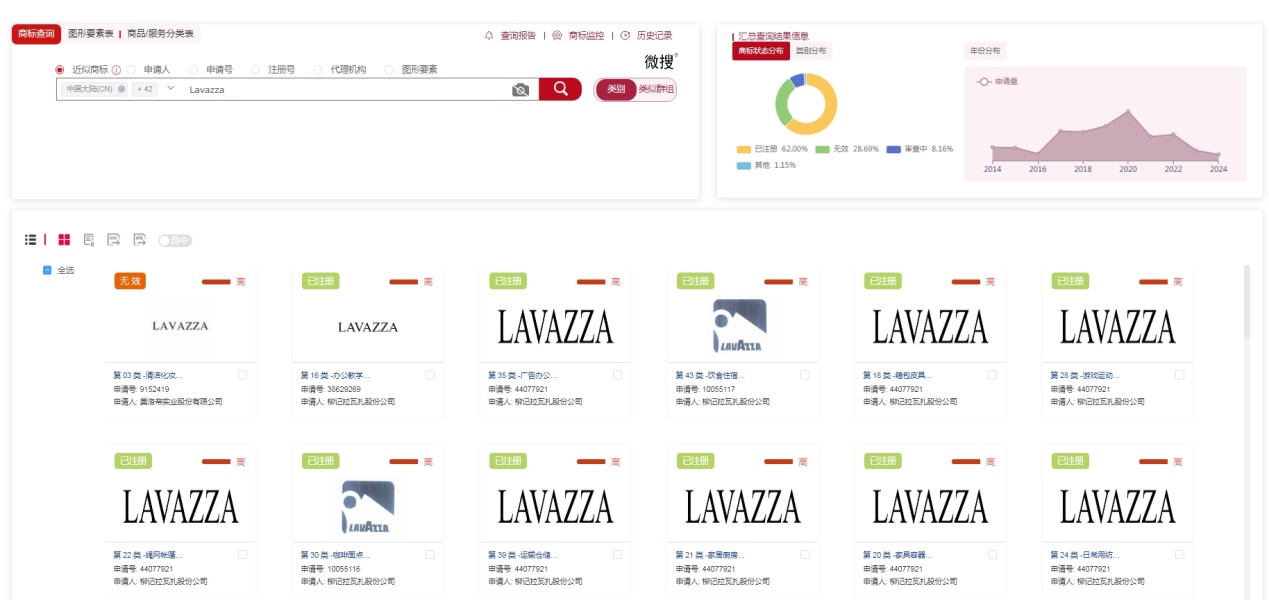
Lavazza: Known for its retail coffee products, Lavazza also operates several branded cafes globally. Its trademark strategy focuses on combining with product characteristics, portraying a professional, high-quality brand image.
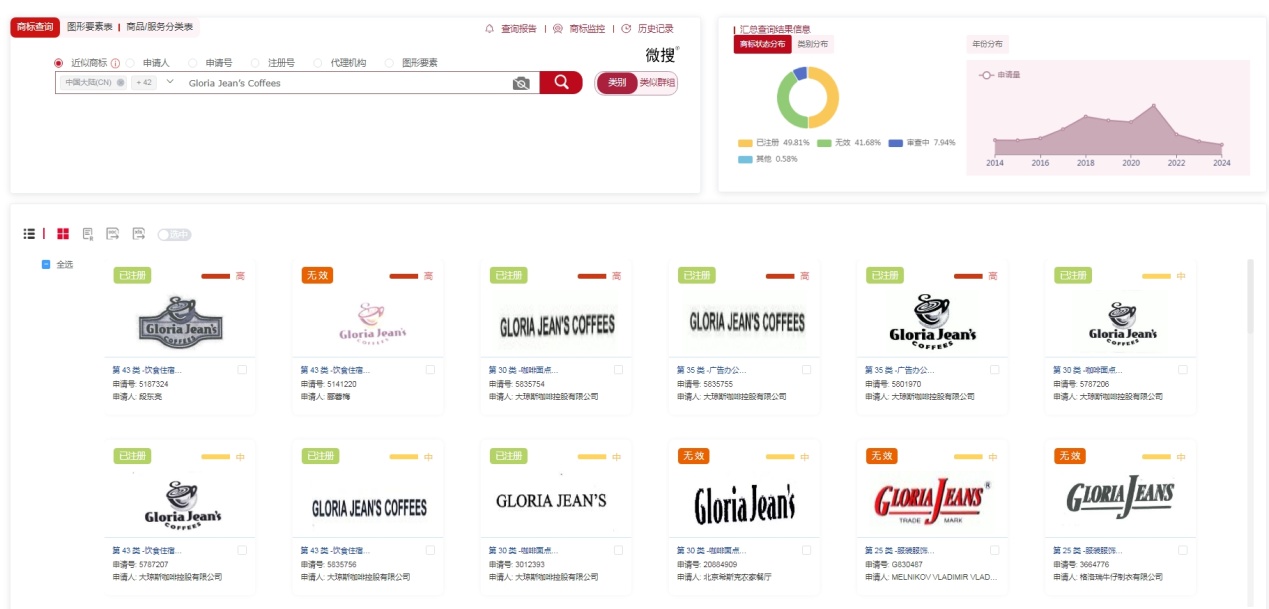
Gloria Jean’s Coffees: Operating in nearly 40 markets with around 1,000 stores, Gloria Jean’s focuses on balancing localization with global uniformity in its trademark strategy, ensuring brand uniqueness and recognition worldwide.
Caffé Nero: Headquartered in the UK, Caffé Nero operates over 1,000 outlets across 10 countries. Its trademark strategy emphasizes alignment with its brand culture, conveying a sense of British coffee tradition and elegance.
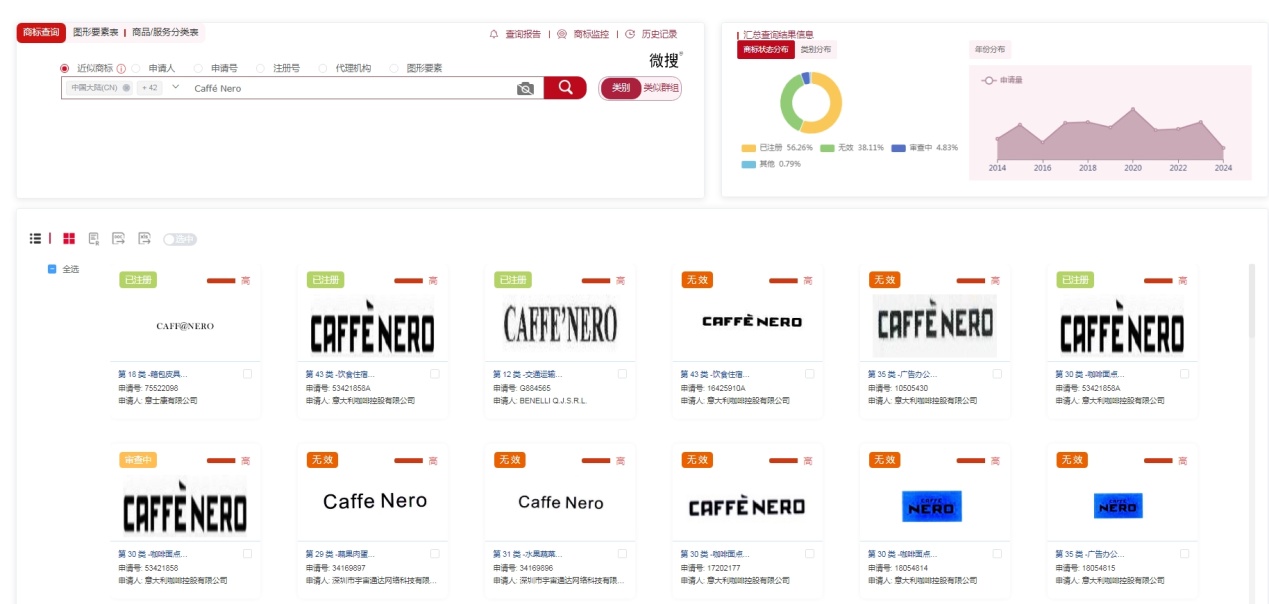
Caribou Coffee: Mainly located in the USA, Caribou Coffee operates around 600 outlets. Its trademark strategy focuses on blending with regional culture, delivering an authentic American coffee flavor and approachability.
Through the trademark analysis charts on the Kangxin IP platform (eservice.kangxin.com), we can gain a more intuitive understanding of the trademark strategies of these global coffee chain giants. Not only have these brands registered a large number of trademarks in key markets such as the USA, Europe, and Asia, but they have also introduced localized trademark designs for different markets to ensure their brand's uniqueness and recognition globally. These brands also emphasize trademark monitoring and protection, promptly identifying and combating infringement to maintain their brand image and legal rights.
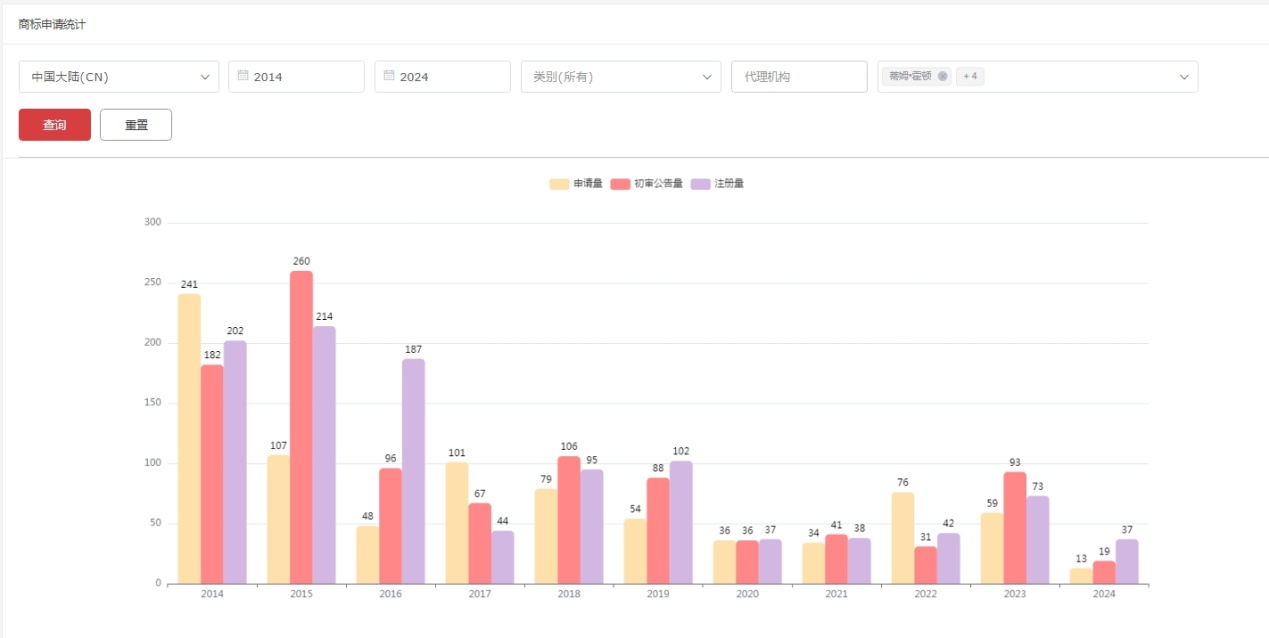
Trademark Applications in Mainland China over the Last Decade
The trademark strategies of global coffee chain giants are closely linked to their brand legacy. Each trademark carries the brand's history, culture, and values. Through meticulous planning and effective management of their trademark assets, these brands have successfully built a robust network of brand protection and market competitiveness globally. In the future, as the coffee market continues to evolve and consumer demand changes, these brands will continue to innovate and optimize their trademark strategies, bringing even more delightful coffee experiences to consumers.
 {{item.truncatedText}}
{{item.basicDescription&&item.basicDescription.slice(0,150)}}{{item.basicDescription&&item.basicDescription.length>150?"...":""}}
{{item.truncatedText}}
{{item.basicDescription&&item.basicDescription.slice(0,150)}}{{item.basicDescription&&item.basicDescription.length>150?"...":""}}