
Driving the Future: An In-Depth Exploration of Global Automotive Trademarks and Brand Power
Time:2025-05-20
Publication Date:2025-05-20
In the vast constellation of the global economy, the automotive industry undoubtedly shines as one of the brightest stars. With the rapid advancement of technology and the increasing diversity of consumer demands, competition among automotive brands has become fiercer than ever. This article delves into the latest trends in the global automotive sector from three perspectives: global automotive brand sales rankings, brand value rankings, and the history and design meanings of brands and offers a comprehensive overview of the dynamic automotive brand landscape.
Global Automotive Brand Sales Rankings: The Market Barometer
The first half of 2024 showcased a complex and shifting landscape in the global automotive market. According to the latest data, traditional automotive powerhouses like the United States, Japan, and Germany continue to lead in sales, while emerging markets such as India and Brazil are showing strong growth momentum.
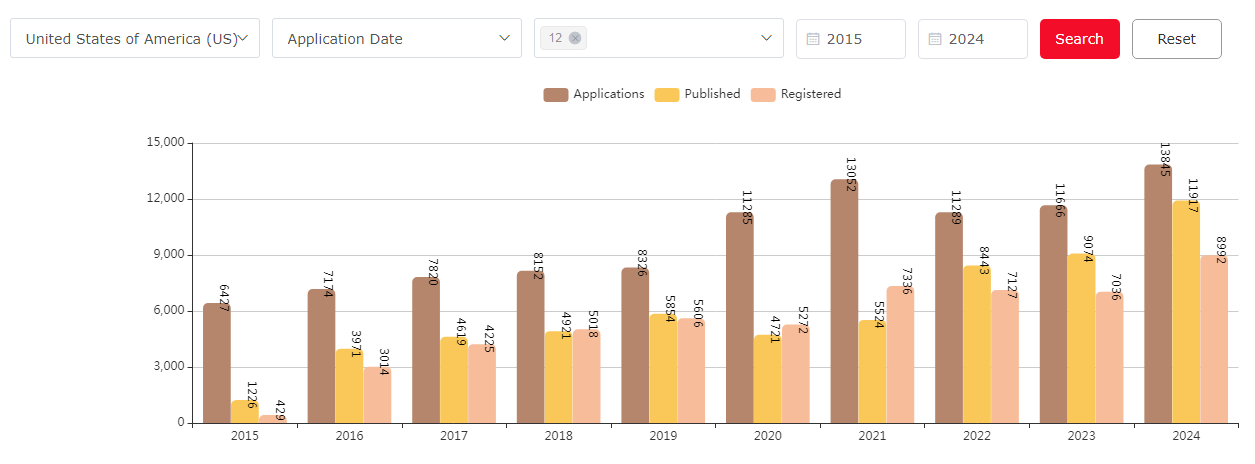
U.S. Market: As one of the world's largest automotive markets, the U.S. saw new car sales reach 7.893 million units in the first half of the year, a 2.3% year-on-year increase. Despite a slight dip in June sales during the peak season, the overall market remains robust. Domestic brands like Ford and Chevrolet performed well, while Tesla, the leader in the new energy sector, continues to set trends in the market.
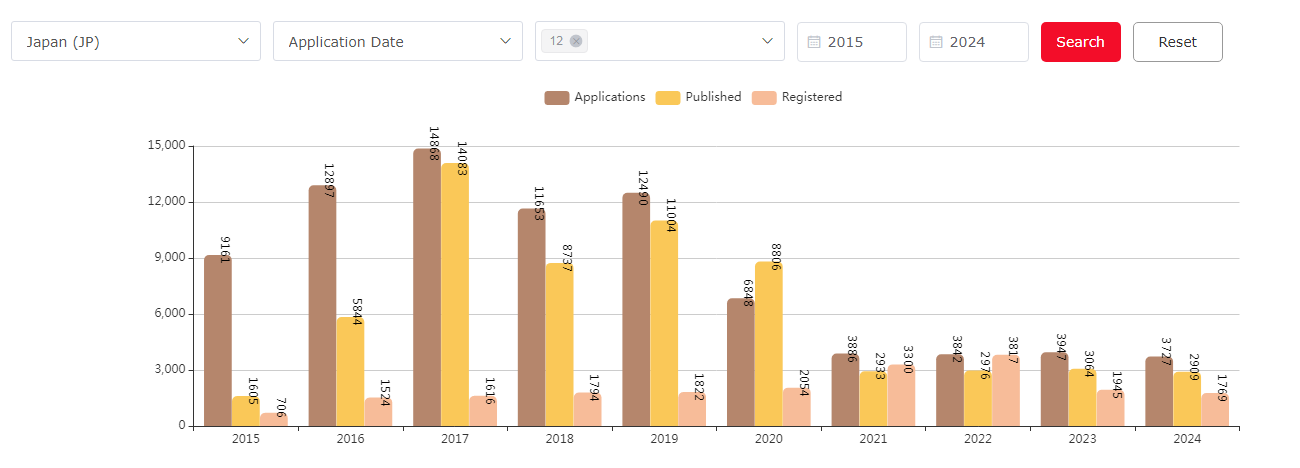
Japanese Market: As a result of the falsified safety tests conducted by Toyota's Daihatsu subsidiary at the end of last year, sales in the Japanese automotive market dropped by 13.2% year-on-year in the first half of the year. Despite this, the Toyota brand, with its strong global presence and brand influence, remained in the top three global sales.
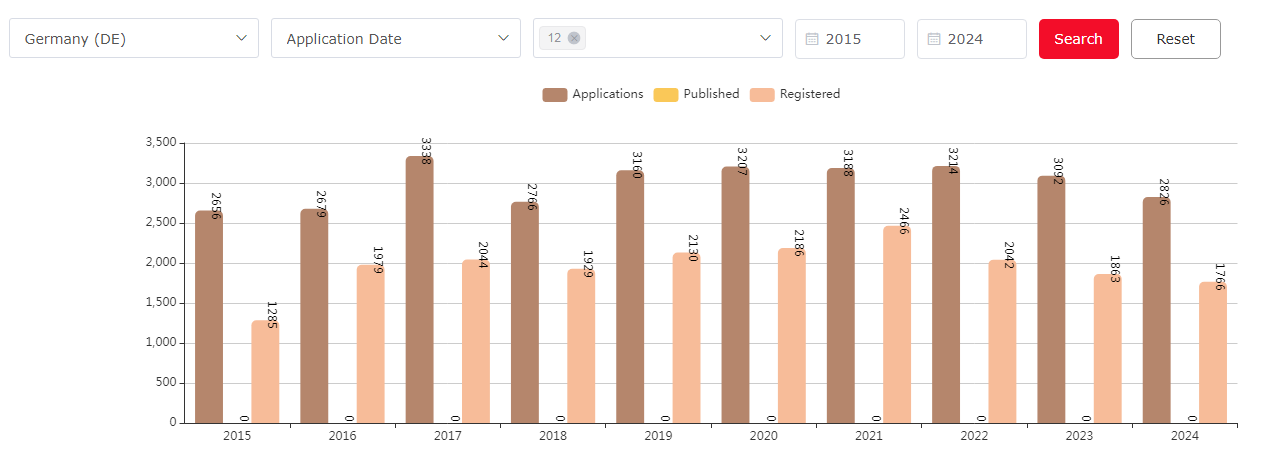
German Market: Germany recorded 1.472 million new car sales in the first half, up 5.4% year-on-year. However, electric vehicle sales have declined, with Tesla’s sales dropping by 41.6%. In contrast, brands like BYD have seen substantial growth in the European market, emerging as new highlights.
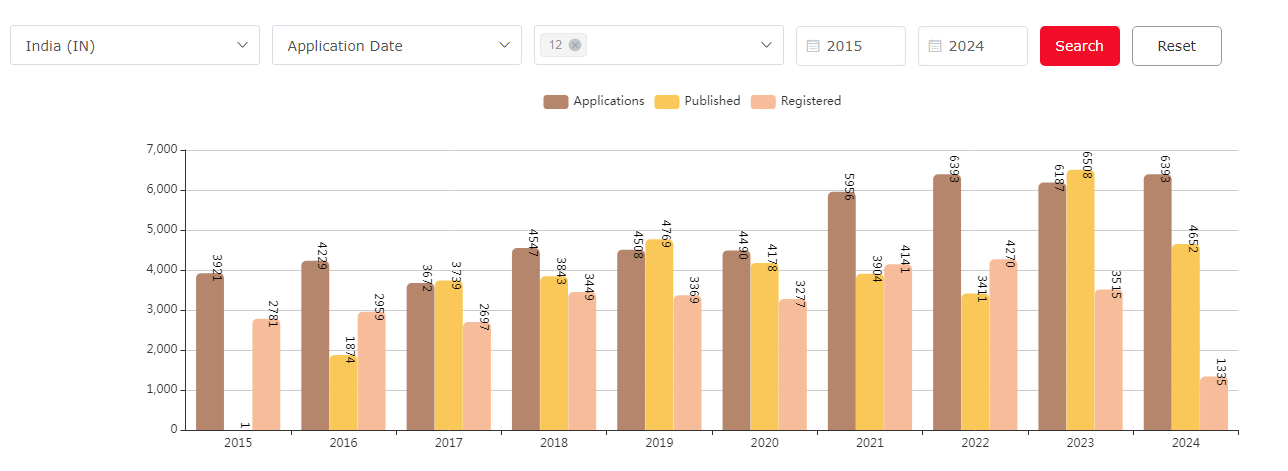
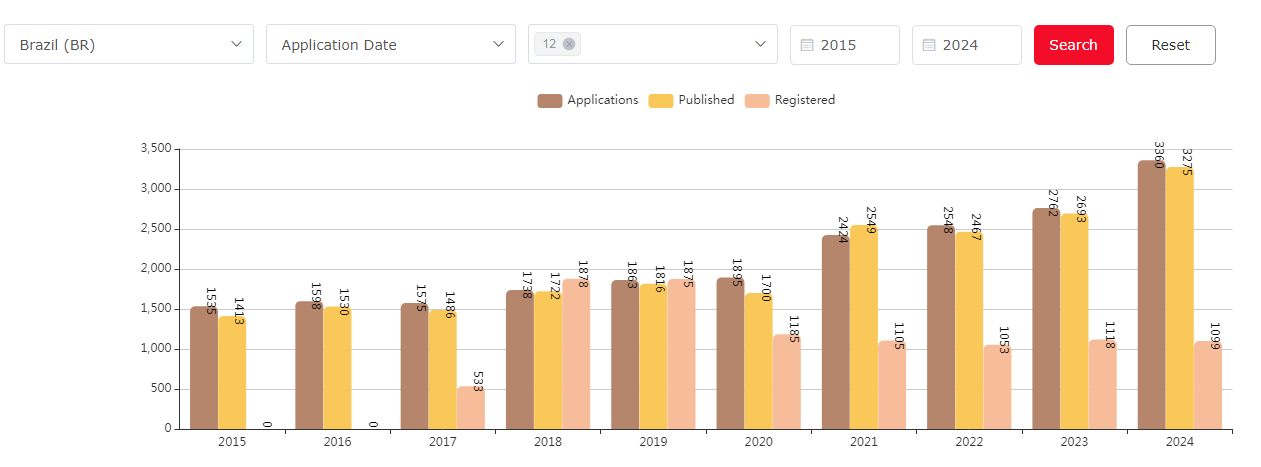
Emerging Markets: India and Brazil stand out with impressive performances. India’s new car sales grew by 7.5% year-on-year, while Brazil’s sales increased by 14.6%, showcasing significant market potential. This growth is driven by steady domestic economic development, government incentives, and rising consumer demand.
Automotive Brand Value Rankings: A Testament to Strength
Brand value is a critical indicator of a brand's overall strength. In the "2024 Global Top 100 Most Valuable Automotive Brands" list, Mercedes-Benz holds the top spot with a brand value of $59.436 billion, followed closely by Tesla, which, despite a decline in value, remains in second place.
Mercedes-Benz: As a leader in the luxury automotive sector, Mercedes-Benz enjoys widespread global recognition and reputation, continuously driving technological innovation and product upgrades. The brand's steady value growth is attributed to its relentless pursuit of high quality and innovation.
Tesla: Despite facing market competition and brand image challenges, Tesla’s brand value remains among the highest. Tesla’s success lies not only in its disruptive electric vehicle technology but also in its unique brand culture and market strategies. However, as competition intensifies, Tesla will need to focus more on maintaining and enhancing its brand image.
BYD: As a representative of China's new energy automobile brand, BYD has achieved significant improvement in brand value, and has been sitting at the top of the list of Chinese automobile brands for three consecutive years. A number of its popular models such as Han, Song and Tang have performed well in the global market, fully demonstrating BYD's strong product strength and market competitiveness.
Toyota and Volkswagen: As representatives of traditional car brands, Toyota and Volkswagen still maintain their leading position in terms of brand value. Toyota has won the trust of consumers around the world with its excellent product quality and stable market performance, while Volkswagen has strengthened its brand position by continuously launching new models and expanding its market share.
Brand History and Design Meaning: A Legacy of Culture and Innovation
Each automotive brand carries a rich history and cultural heritage that shapes its unique personality and profoundly influences its design philosophy and meaning.
Toyota: Since its founding in 1937, Toyota has earned widespread acclaim in the global market for its exceptional product quality and ongoing technological innovation. Toyota’s brand emblem, composed of three ovals, symbolizes the harmonious unity of the customer, society, and the company. This philosophy is not only reflected in Toyota's product design but also permeates its corporate culture and business philosophy.
Mercedes-Benz: As synonymous with luxury automobiles, Mercedes-Benz’s brand history dates back to the late 19th century. Its iconic three-pointed star symbolizes mechanization on land, sea, and air, representing the brand’s pursuit of comprehensive mobility solutions. Mercedes-Benz’s design consistently follows a perfect blend of classic and modern elements, showcasing its unique brand charm and market positioning.
Tesla: As a pioneer in the electric vehicle sector, Tesla’s brand history is relatively short, but its influence is undeniable. Tesla’s T-shaped logo is simple yet technologically sophisticated, symbolizing the future of electric vehicles and Tesla’s unwavering pursuit of innovation. Tesla’s design emphasizes environmental sustainability, energy efficiency, and the application of intelligent technology, enhancing user experience.
BYD: As a representative of Chinese new energy vehicle brands, BYD’s brand history dates back to the 1990s. The BYD logo, formed by the initials “BYD,” stands for "Build Your Dreams." BYD’s design focuses on practicality and economy, while also incorporating a sense of fashion and technology. Through continuous technological innovation and product upgrades, BYD has successfully created a series of popular new energy vehicle products.
Insights into the Power Behind Brands
In the fiercely competitive global automotive industry, trademarks, as vital brand identifiers, are of paramount importance. The Kangxin IP Platform leverages its powerful trademark big data analysis capabilities to provide comprehensive intellectual property protection and support for global automotive brands.
The Kangxin IP Platform (eservice.kangxin.com) supports trademark searches in four languages—Chinese, English, Japanese, and Korean—along with AI-powered image-based trademark search functionality. These features not only improve the efficiency and accuracy of trademark searches but also provide robust support for the global intellectual property protection of automotive brands. Through the Kangxin IP Platform, automotive brands can easily search and monitor trademark information worldwide, identifying and addressing potential trademark infringement risks in a timely manner.
Moreover, Kangxin IP Platform offers a one-stop solution for trademark registration, monitoring, renewal, modification, and reissuance services, as well as copyright timestamping, brand protection, and brand management services. These features help automotive brands establish and maintain a robust intellectual property system globally, enhancing their brand value and market competitiveness.
In the global automotive field, each brand attracts global consumers with its unique historical heritage, design symbolism and brand value. As technology continues to advance and the market continues to change, the competition between automotive brands will become more intense. However, it is this competition that drives the continuous development and innovation of the automotive industry. In the future, with the further integration of the global automotive market and the popularity of new energy vehicles, we have reason to believe that the global automotive sector will show a brighter future. As a solid backing for intellectual property protection, Kangxin IP platform will provide strong support for the continuous development and growth of global automotive brands.
 {{item.truncatedText}}
{{item.basicDescription&&item.basicDescription.slice(0,150)}}{{item.basicDescription&&item.basicDescription.length>150?"...":""}}
{{item.truncatedText}}
{{item.basicDescription&&item.basicDescription.slice(0,150)}}{{item.basicDescription&&item.basicDescription.length>150?"...":""}}