
Trademark Protection in the Luggage Sector: Strategies and Layouts from a Global Perspective
Time:2025-04-23
Publication Date:2025-04-23
In today's globalized market, luggage, as both a fashionable and practical commodity, holds significant brand value, making intellectual property protection all the more crucial. Trademarks, as the core identifiers of a brand, are not only vital tools for consumers to recognize the source of goods but are also key for businesses to maintain their market position and brand image.
This article delves into the trademark protection strategies and global layouts of well-known brands in the luggage sector by analyzing trademark statistics in Class 18 (leather and imitation leather products, including handbags, backpacks, wallets, and other luggage items) from the databases of China, the United States, the European Union, Japan, South Korea, and the World Intellectual Property Organization (WIPO). The aim is to summarize insights and provide guidance for trademark protection in the luggage industry. (All data screenshots are sourced from the Kangxin IP platform at eservice.kangxin.com.)
Trademark Holdings in Class 18: Insights from Global Trademark Offices
We begin by examining the trademark filings in Class 18 across the major trademark offices, such as China, the United States, Japan, South Korea, the European Union, and WIPO using data from the Kangxin IP platform .
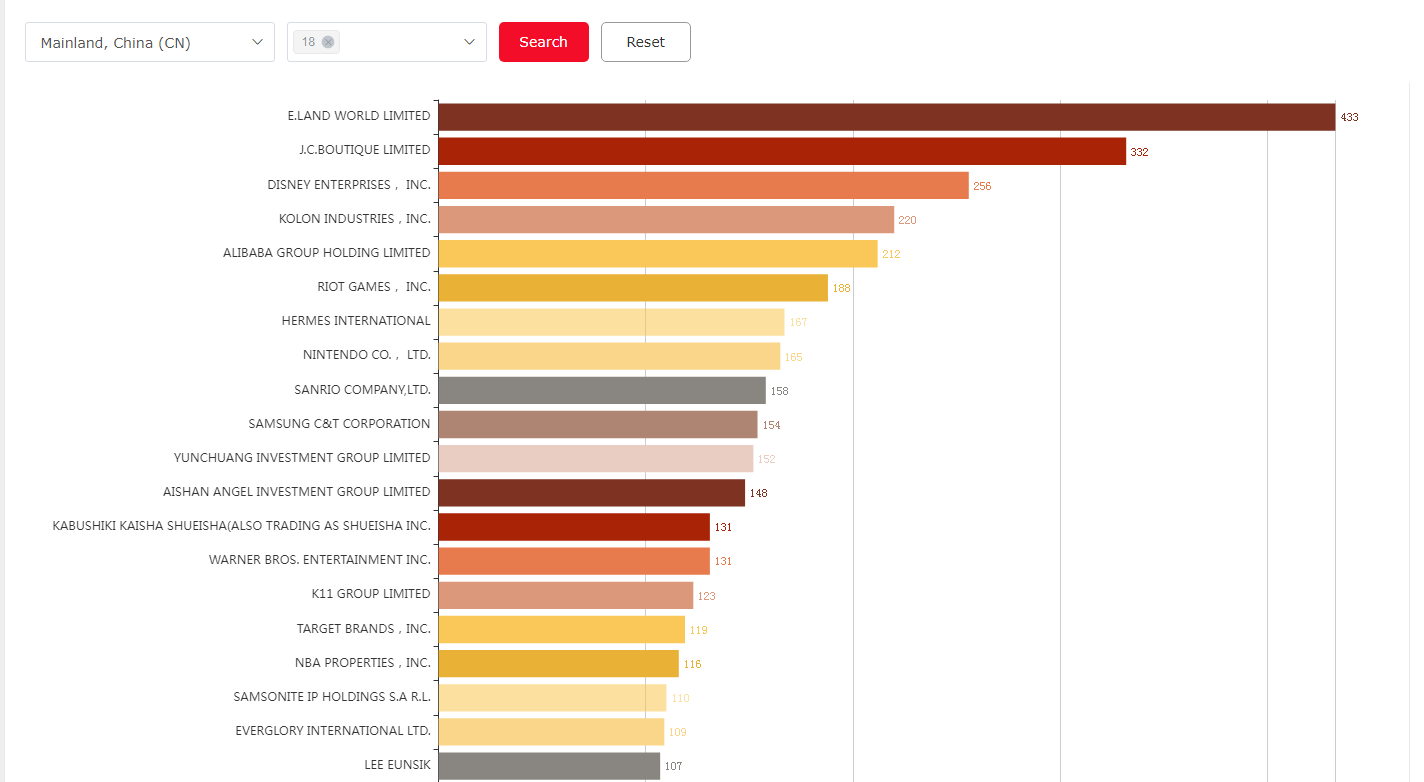
Trademark Holdings in China’s Trademark Office
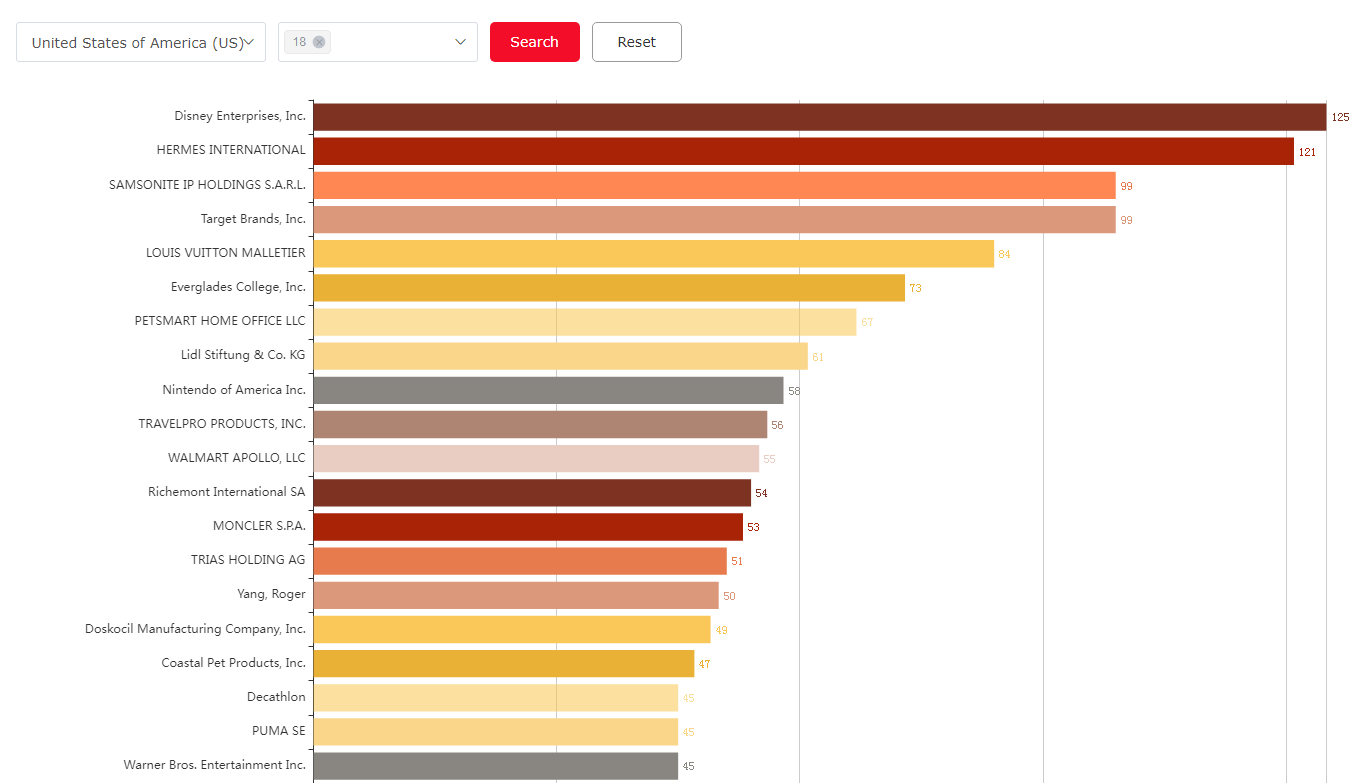
Trademark Holdings in the United States Patent and Trademark Office (USPTO)
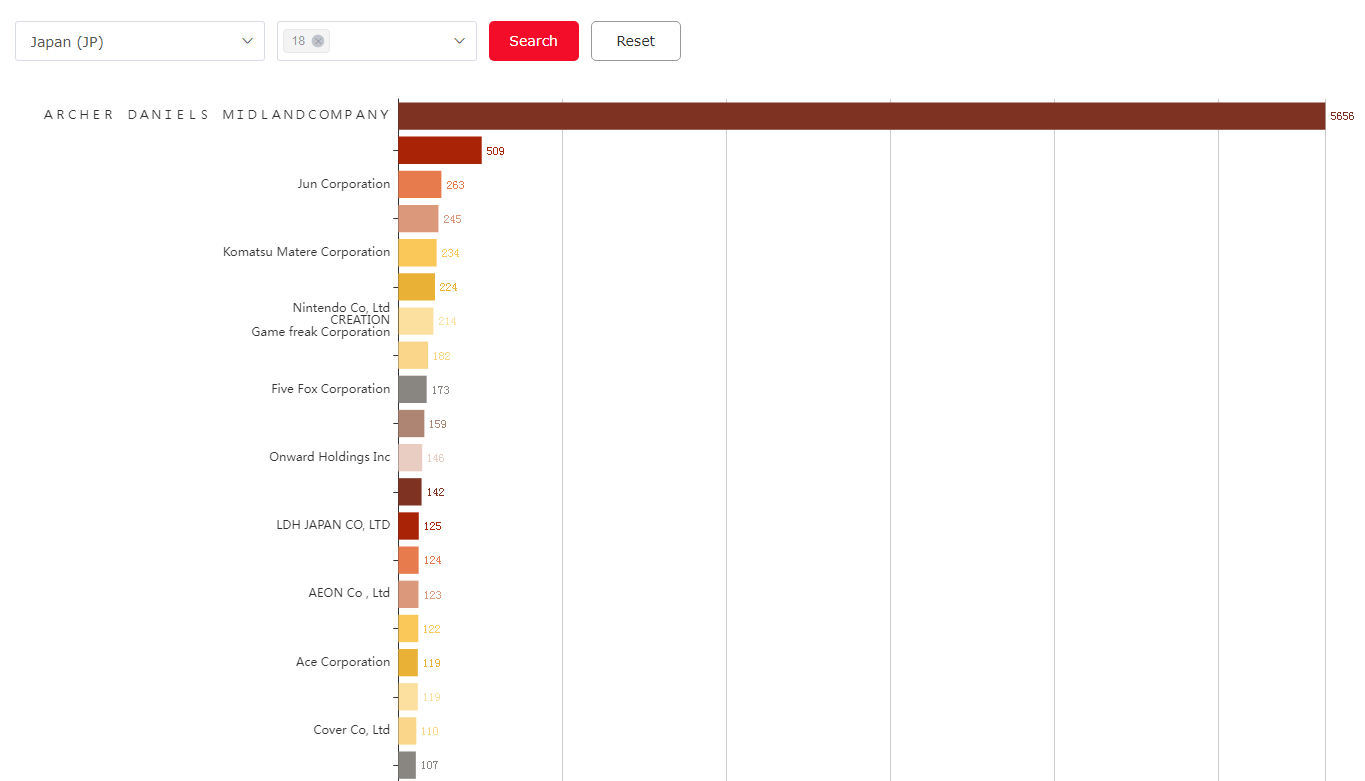
Trademark Holdings in the Japan Patent Office (JPO)
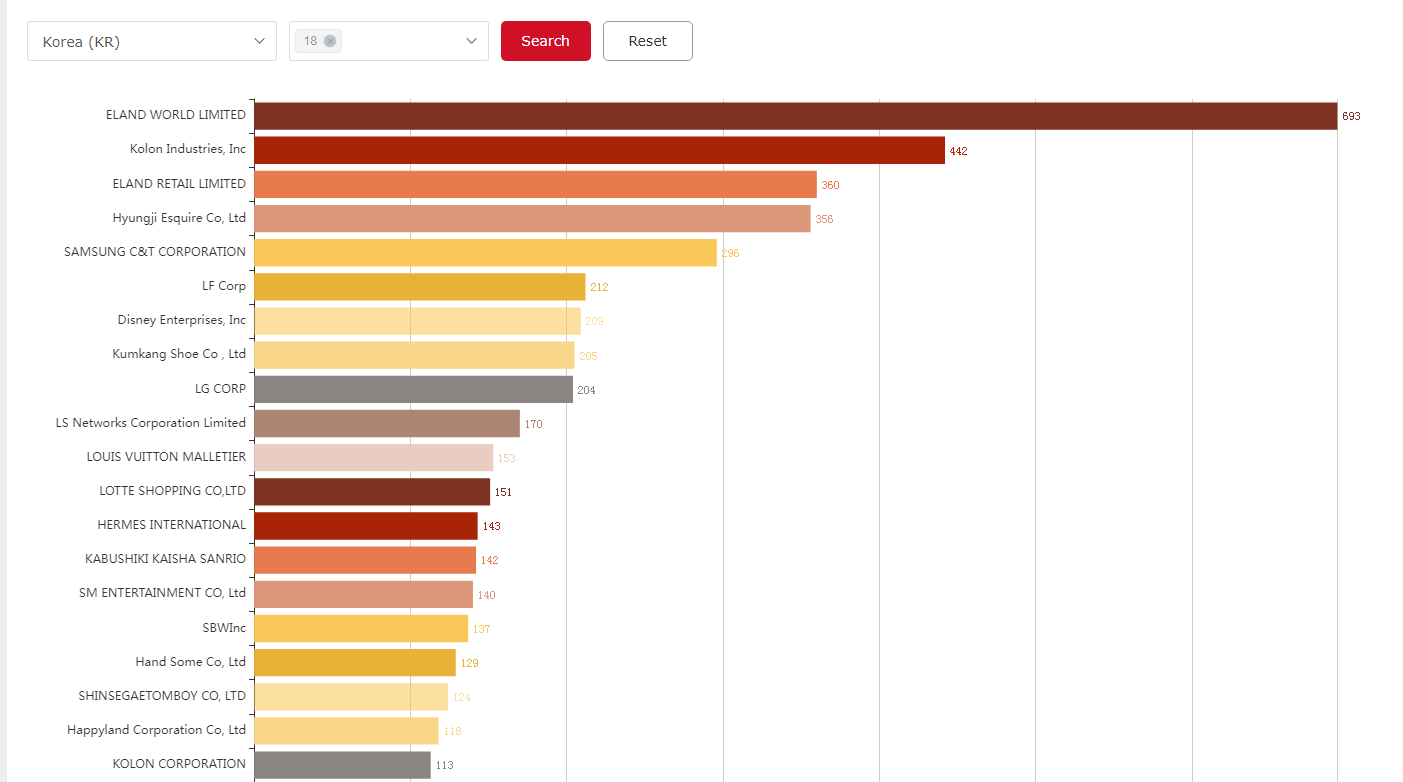
Trademark Holdings in the Korean Intellectual Property Office (KIPO)
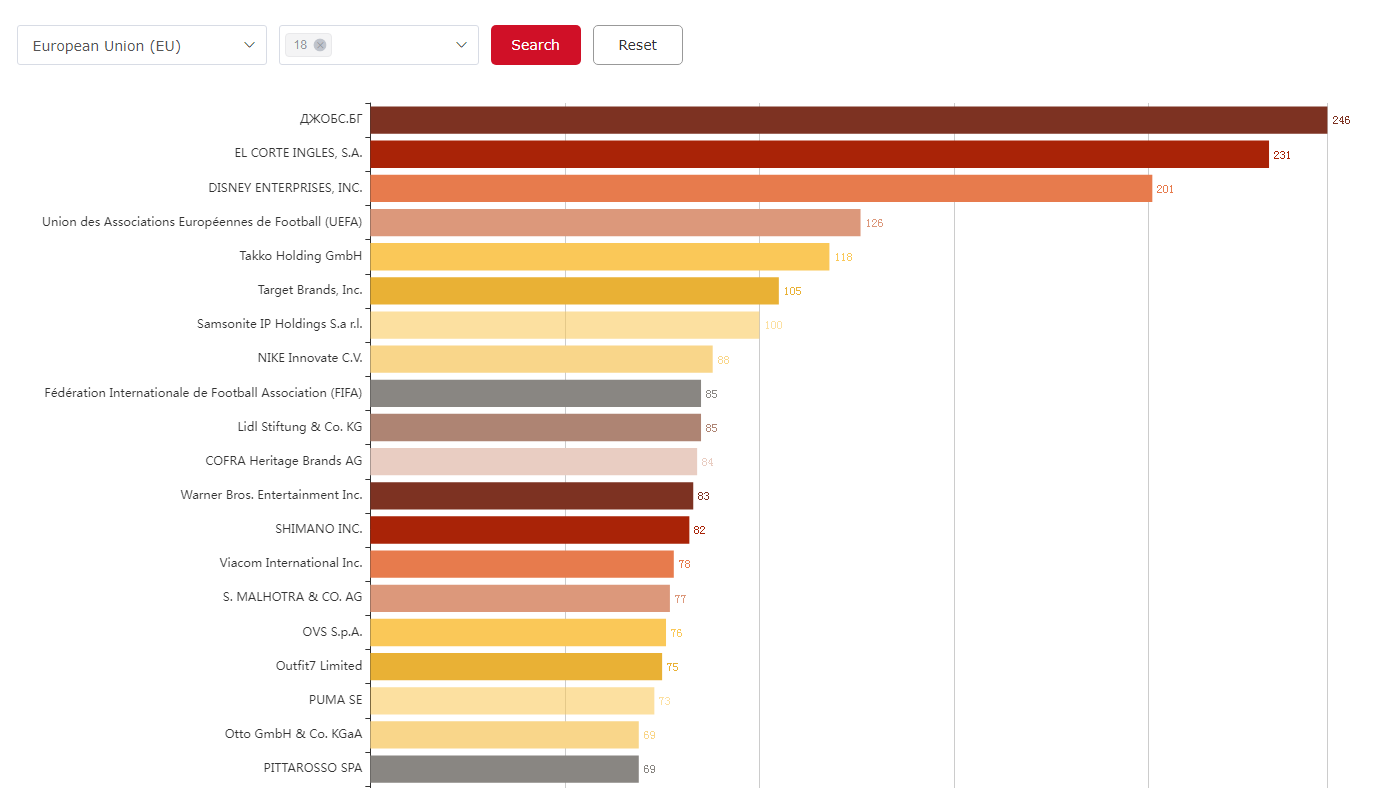
Trademark Holdings in the European Union Intellectual Property Office (EUIPO)
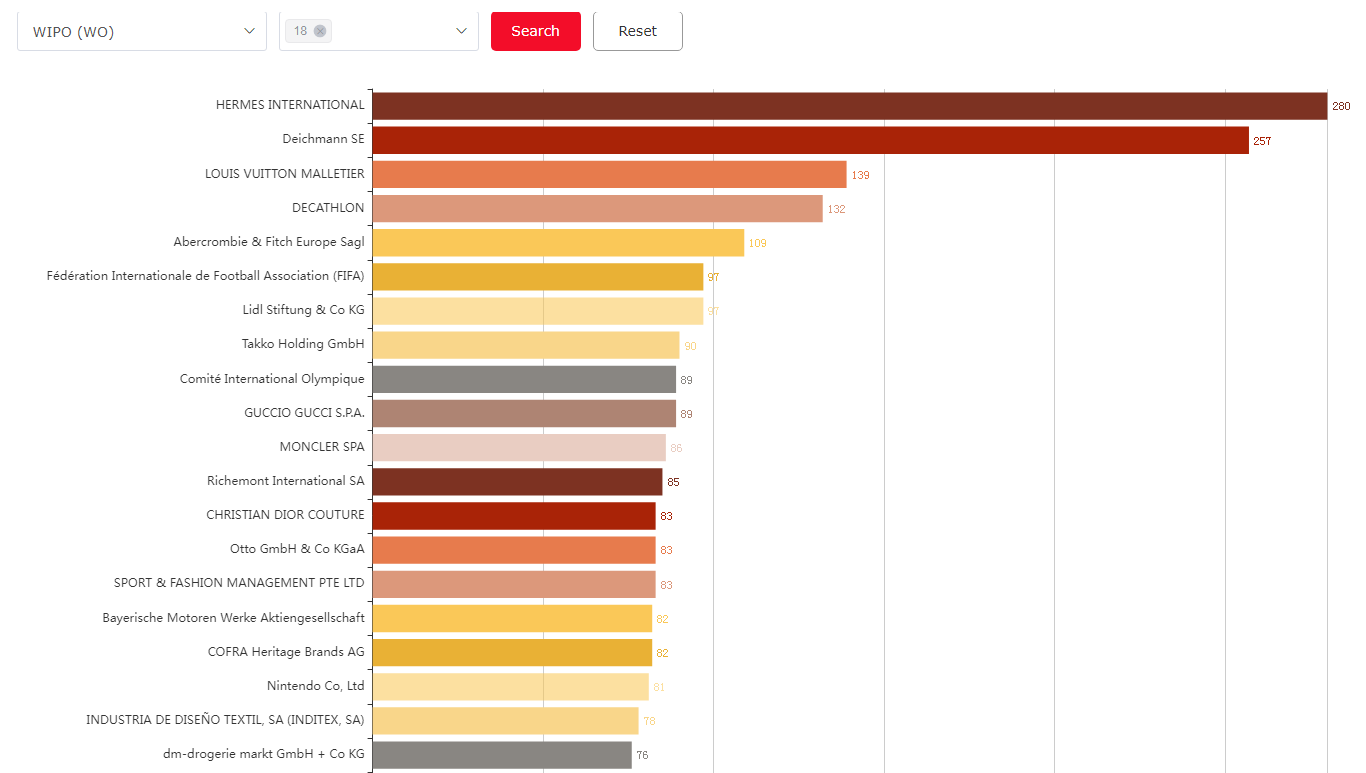
Trademark Holdings in WIPO (Madrid System)
Global Trademark Application Trends in Class 18
By comparing the global application volumes of Class 18 trademarks, the data shows a steady increase in trademark filings in recent years. This reflects both global economic growth and the diversification of consumer demands. In particular, countries such as China, the United States, the European Union, Japan, and South Korea have seen significant growth in trademark filings for luggage brands, demonstrating a heightened awareness of trademark protection.
Major Trademark Application Rankings by Country/Region
In China, with the rise of e-commerce platforms and consumer demand for high-quality lifestyles, local brands like "Wanli Ma" and "Straw Man" have gained prominence, while international brands like "Louis Vuitton" and "Gucci" have also intensified their trademark protection efforts in the market. In the United States, local brands such as "Coach" and "Michael Kors" dominate, alongside strong competition from international luxury brands like "Chanel" and "Hermès." In the EU, Italian brands like "Prada" and "Fendi" have gained wide consumer recognition for their craftsmanship and rich heritage. In Japan, local brands such as "Mikimoto" enjoy high prestige in the luggage sector, while international brands like "Louis Vuitton" and "Dior" are also highly popular among Japanese consumers. South Korea features a competitive landscape where local brands like "MCM" and "Samsonite Korea" coexist with international luxury brands like "Burberry" and "Cartier."
Trademark Layout Analysis of Renowned Brands
Taking "Louis Vuitton" (LV) as an example, its trademark applications cover major economic entities such as China, the United States, the EU, Japan, and South Korea, as well as extending to countries and regions like Australia, Canada, and Singapore, forming a comprehensive trademark protection network.
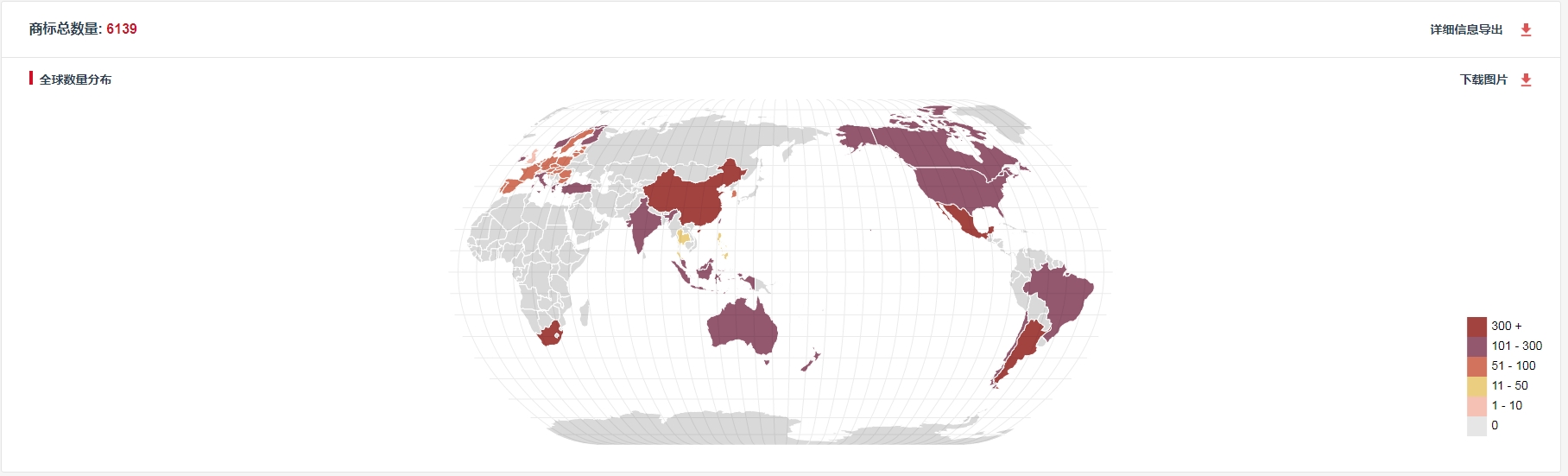
Louis Vuitton's Global Trademark Layout Over the Past Ten Years
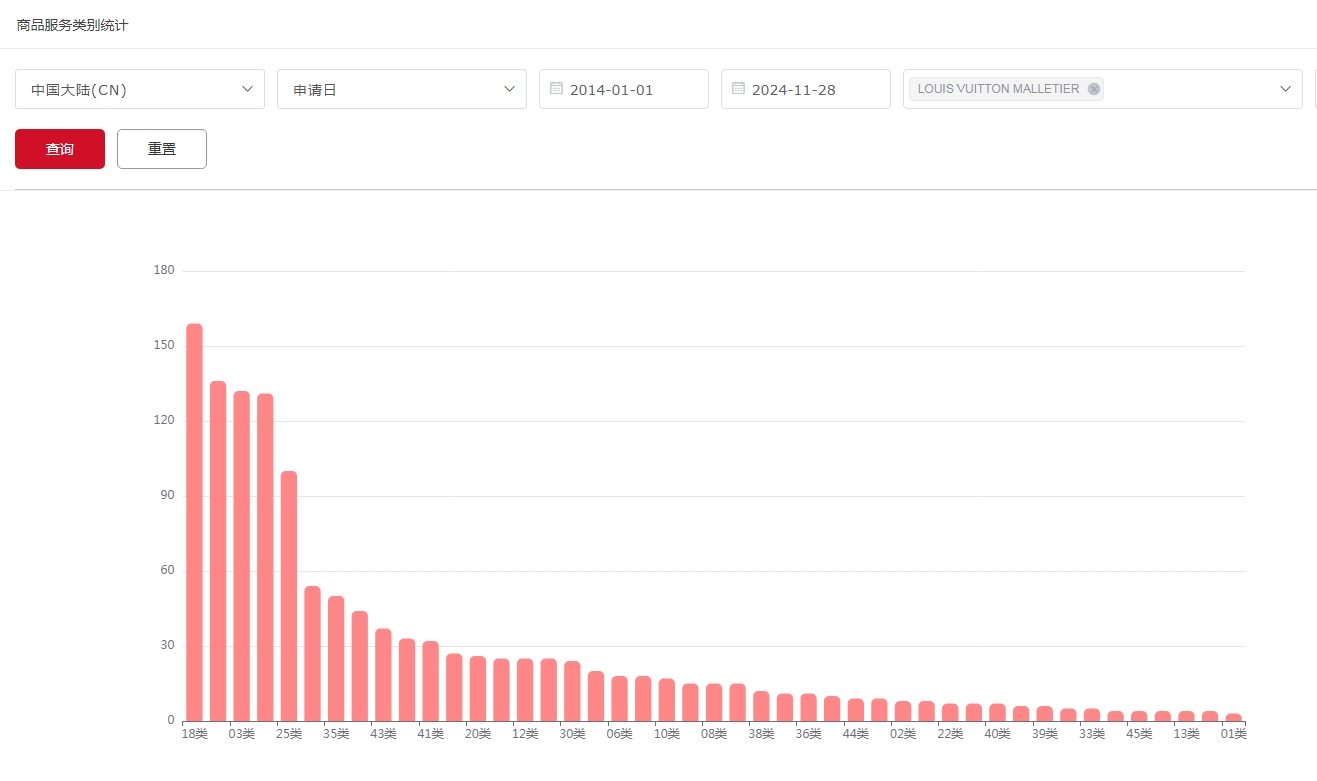
Louis Vuitton’s Trademark Applications in China
Similarly, luxury brands like "Gucci" and "MCM" demonstrate similar global layout strategies. By registering trademarks extensively, they ensure global brand recognition and market position.
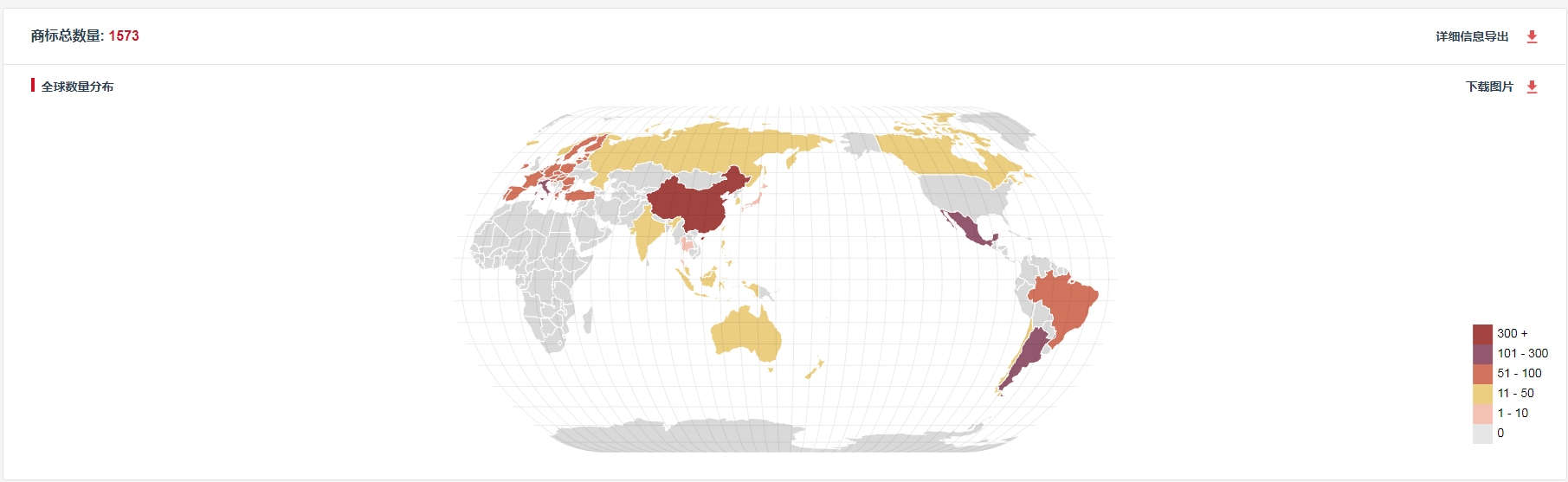
Gucci’s Global Trademark Layout Over the Past Ten Years
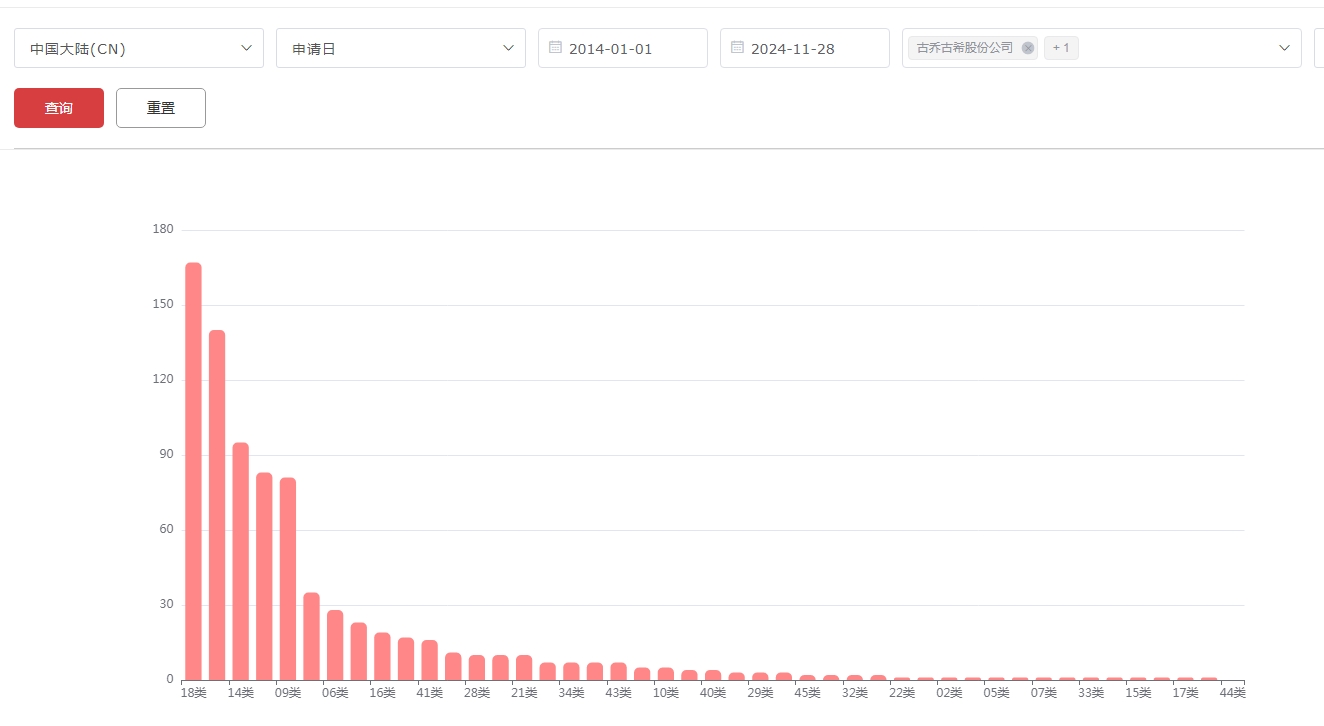
Gucci’s Trademark Applications in China
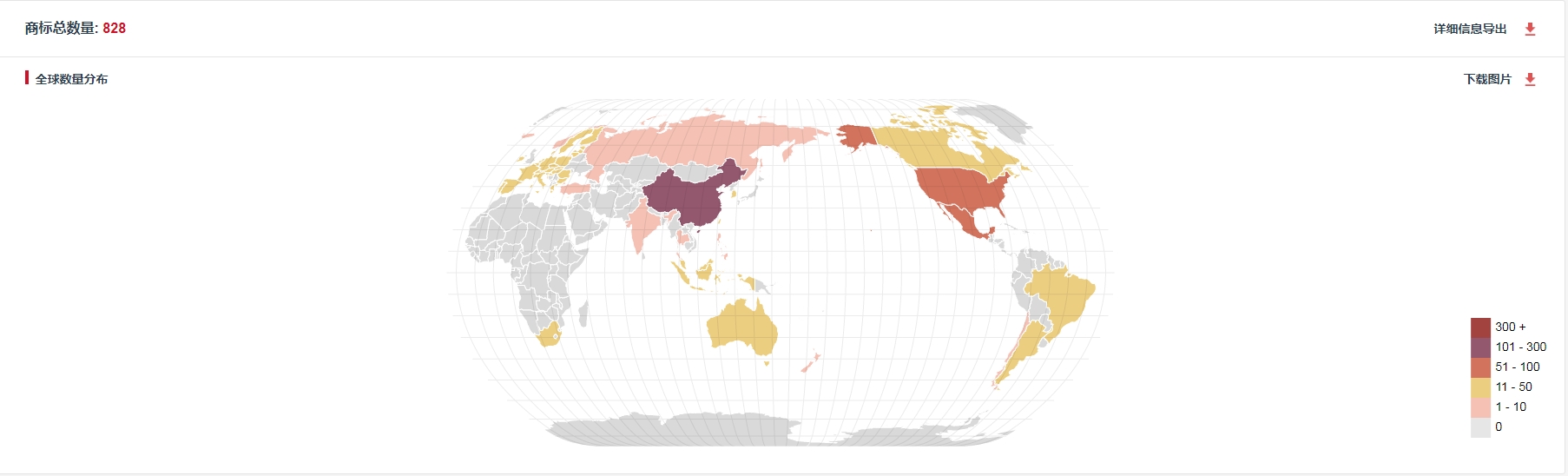
MCM’s Global Trademark Layout Over the Past Ten Years
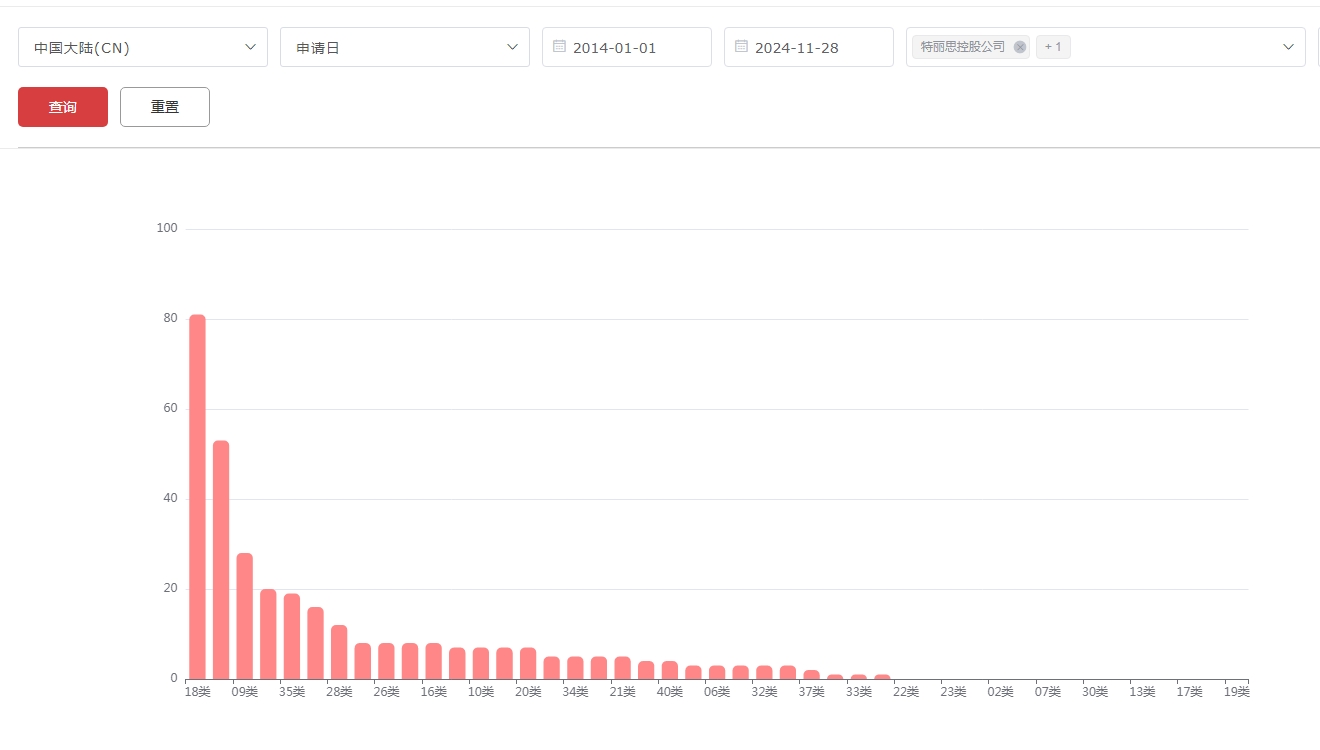
MCM’s Trademark Applications in China
It is evident that these well-known brands not only focus on expanding the quantity of their trademark applications but also on enhancing the quality. Through carefully designed trademark logos, unique brand identifiers, and rigorous trademark registration processes, they ensure the distinctiveness and legality of their trademarks.
In terms of trademark categories, these brands have conducted comprehensive layouts across various business sectors, including clothing, jewelry, cosmetics, and watches, to ensure full protection of their brand rights in each market.
This comprehensive trademark protection strategy not only effectively prevents infringements but also lays a solid foundation for the long-term development of the brands.
Trademark Protection Strategies and Key Takeaways
Global Layout with Local Adaptation: Well-known brands typically adopt a global strategy for trademark layout but also make localized adjustments based on the legal frameworks, market environments, and consumer demands of different countries and regions. This enables brands to better integrate into local markets, enhancing their influence and competitiveness.
Strengthening Trademark Monitoring and Enforcement: By leveraging intellectual property services such as the Kangxin IP platform, renowned brands can monitor trademark developments worldwide in real-time, promptly identifying and addressing potential infringements. They also utilize legal measures to protect their rights, ensuring the legality and uniqueness of their trademarks.
Focusing on Trademark Design and Registration Processes: These brands prioritize innovation and uniqueness in trademark design to distinguish themselves from competitors. They also strictly adhere to relevant laws and regulations during the registration process to ensure the legal registration and effective protection of their trademarks.
Enhancing Brand Promotion and Consumer Education: Renowned brands increase consumer recognition and loyalty through extensive brand promotion and consumer education. They also engage with consumers via social media and other channels to collect feedback and continuously improve their products and services.
Trademark protection in the luggage sector requires not only a global perspective and strategy but also attention to local adjustments, strengthened trademark monitoring and enforcement, effective trademark design and registration processes, and robust brand promotion and consumer education. With the support of intellectual property tools like the Kangxin IP platform, businesses can more accurately track global trademark trends, develop effective trademark protection strategies, and establish a strong foundation for long-term brand growth.
 {{item.truncatedText}}
{{item.basicDescription&&item.basicDescription.slice(0,150)}}{{item.basicDescription&&item.basicDescription.length>150?"...":""}}
{{item.truncatedText}}
{{item.basicDescription&&item.basicDescription.slice(0,150)}}{{item.basicDescription&&item.basicDescription.length>150?"...":""}}